🚨 Have an emergency? Text us: 801-201-6413



Your furnace and air conditioner only work as well as the ducts that carry their air. Air Pros designs and installs ductwork for Salt Lake City homes, from single new runs to complete systems, so every room gets the airflow it was promised.
Most homeowners never shop for ductwork on its own. The need usually shows up as part of a bigger project, and these are the ones we see most across the Salt Lake Valley:




Ductwork problems rarely announce themselves. They show up as uncomfortable rooms, rising bills, and noises you can't explain. If several of these describe your home, an inspection shows whether the ducts are the cause.
When one bedroom is an icebox and another is an oven with the same thermostat setting, the ducts serving those rooms are usually leaking, undersized, or poorly routed.
According to ENERGY STAR, a typical home loses 20 to 30 percent of conditioned air to duct leaks and poor connections. You pay to heat and cool that air, and it never reaches a living space.
If you can barely feel air moving with the system running, the duct path is restricted somewhere: a crushed run, a kinked flex duct, or a system that was undersized from the start.
Leaky return ducts pull dust, insulation fibers, and attic air into the system and spread them through the house. If you dust constantly and it never helps, your ducts are a likely source.
Air forced through undersized or loose ductwork makes noise. Popping and booming when the system starts often points to duct walls flexing under pressure they weren't designed for.
When ducts waste part of every heating and cooling cycle, the equipment runs longer to make up for it. That shows up as wear on the system and money on the bill.


Locally owned by Alex and Tara. Air Pros is a Salt Lake City company, not a franchise. The people who design your duct system are the people accountable for how it performs afterward.
5.0 stars with 230+ Google reviews. Homeowners consistently mention the same things: clear communication, careful work, and follow-through after the job.
Mitsubishi Electric Diamond Contractor. Factory-level training and standards, and the same care applies to every duct system, Trane furnace, and Goodman AC we install.
Sized by math, not habit. Duct sizing mistakes are the most expensive kind because they cap the performance of every system connected to them. We size from load calculations and show you the numbers.
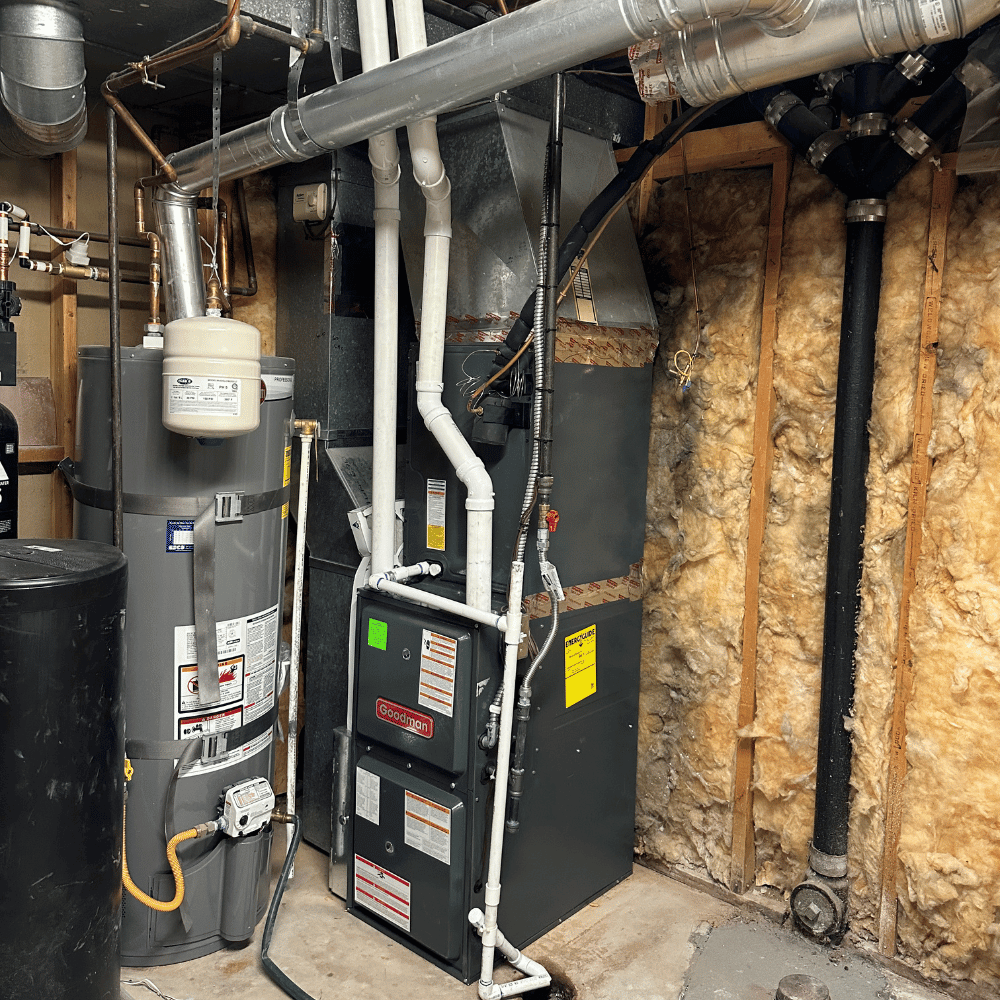
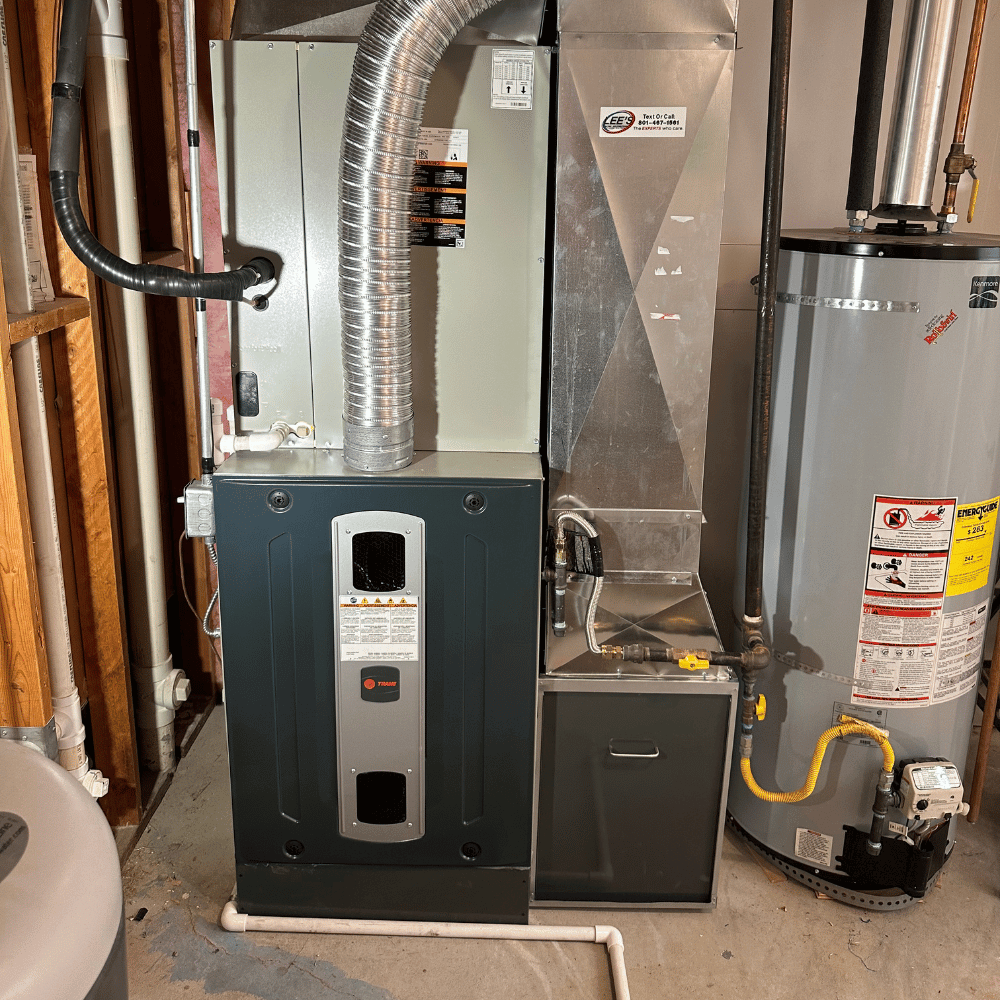
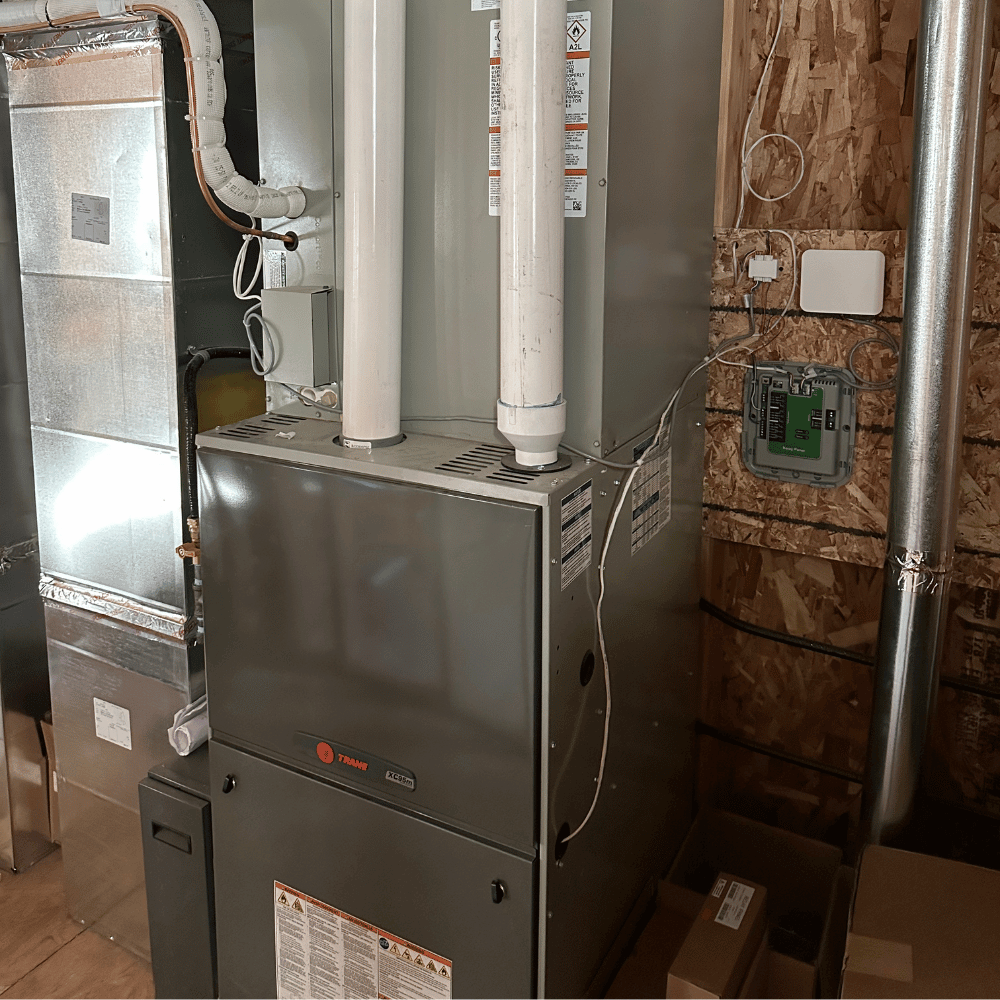
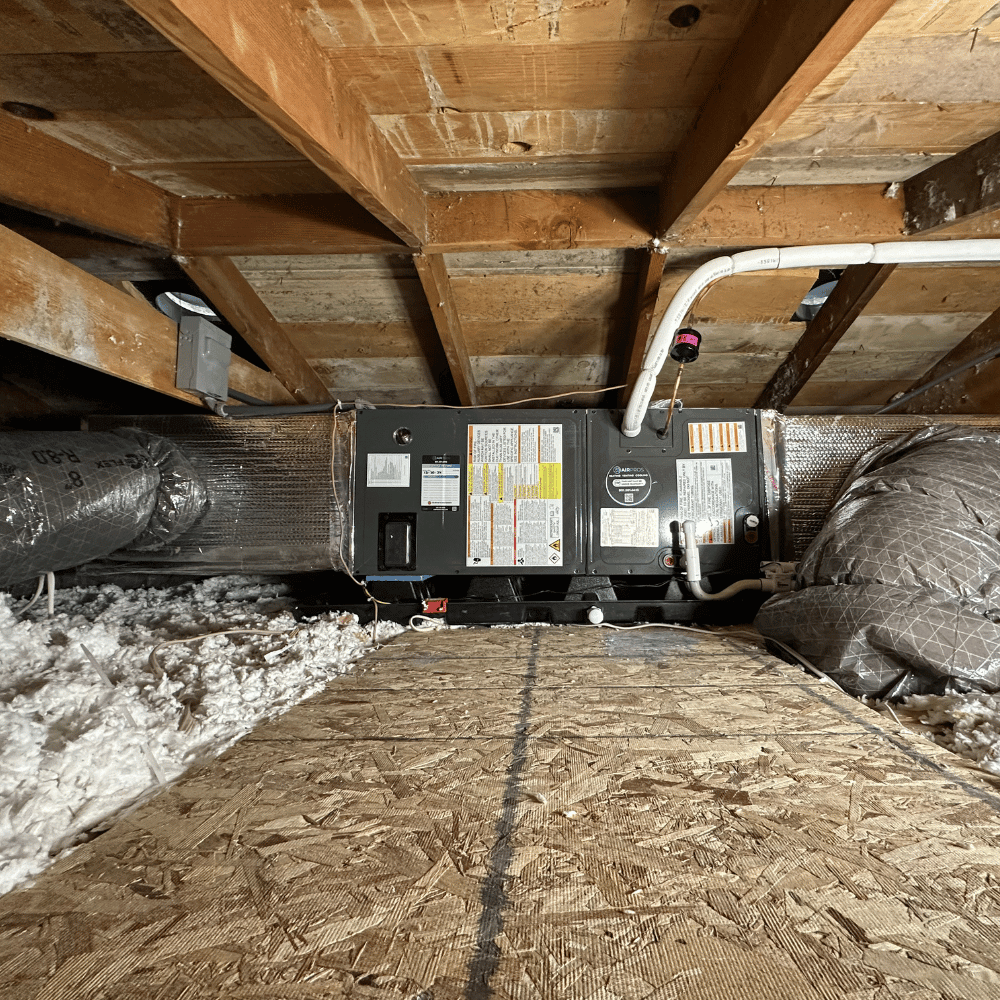
Every duct system we build is designed for the specific house, but the materials and applications fall into a few categories.
Sheet metal trunk and branch systems. Galvanized steel trunk lines are the backbone of a quality duct system: rigid, sealed at every joint, and sized to carry the full airflow of your equipment. This is the standard for main runs in new installations and full replacements.
Insulated flex duct runs. Flexible duct handles the final runs to individual registers, especially in attics and tight framing. Installed correctly (pulled tight, supported, kept short), it performs well. Installed lazily, it's the single most common airflow problem we find. We hold flex runs to the correct standard.
Supply and return air systems. A duct system is a loop, and the return side is the half most installers shortchange. We size return air paths to match supply, which keeps the system quiet, protects the equipment, and evens out room-to-room pressure.
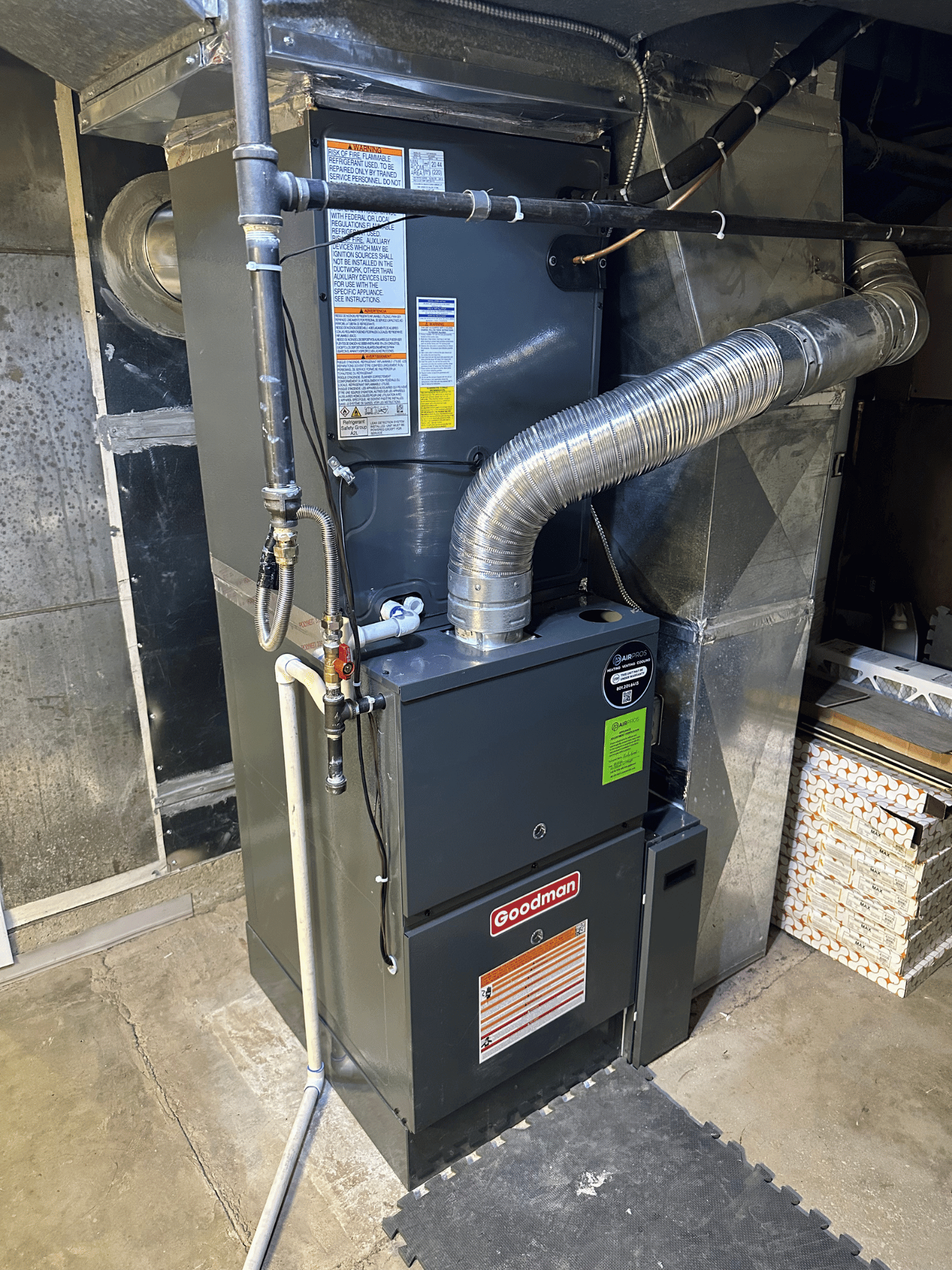
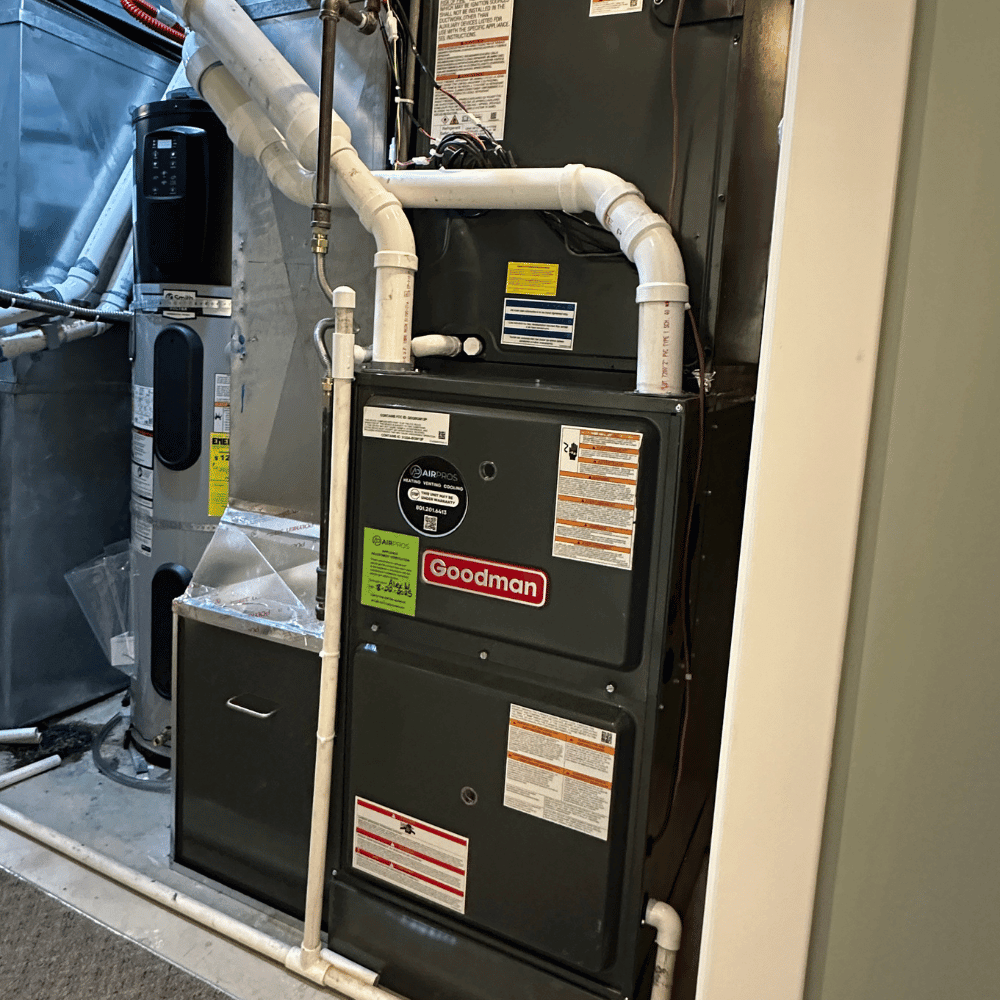
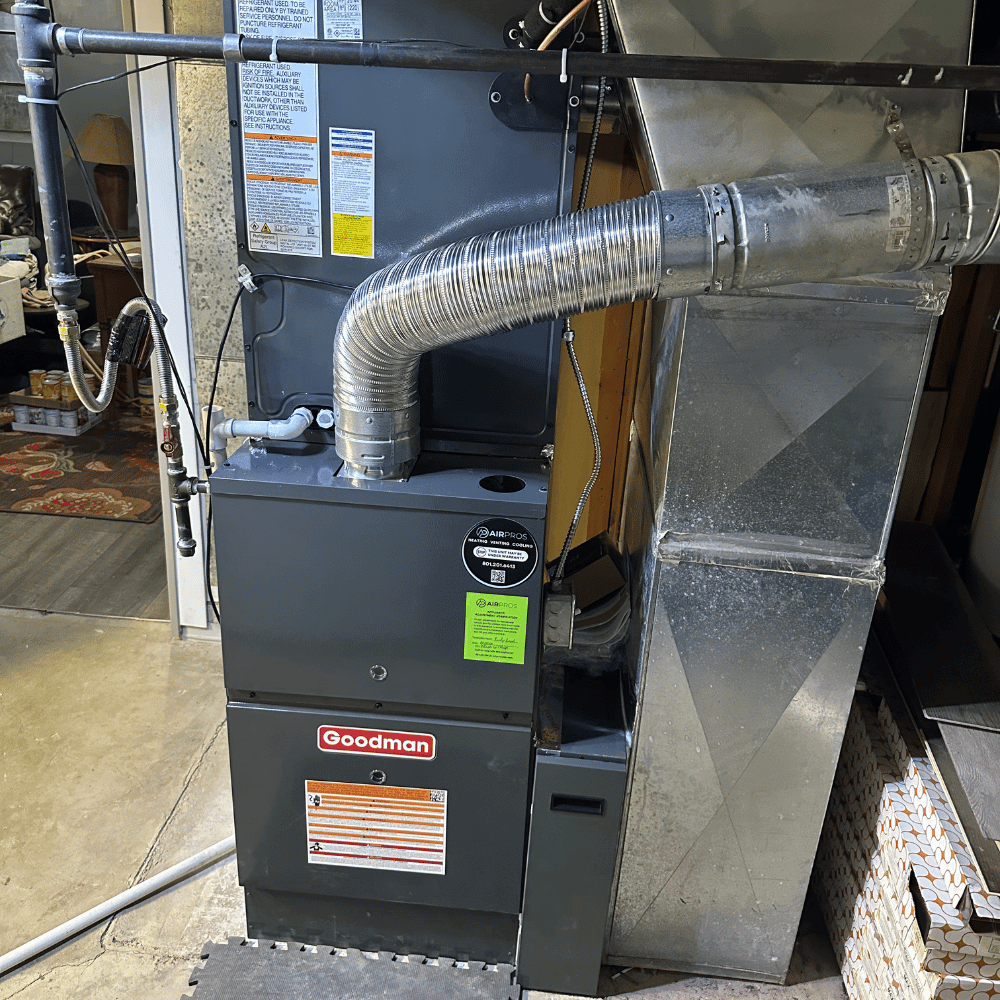
Ductwork for new equipment. Installing a new furnace, air conditioner, heat pump, or ducted mini split air handler often calls for modified or new ductwork. Because we install both the equipment and the ducts, nothing gets lost between two contractors.
HVAC ductwork installation succeeds or fails in the details, so our process is built around them.

No two duct jobs price the same, and anyone quoting ductwork without seeing the home is guessing. These are the factors that move the number:
Scope of the project. Adding a few new runs for a basement finish is a different job from installing a whole-home duct system. Linear footage of duct is the biggest single driver.
Access. Ducts in an open unfinished basement install quickly. Ducts threaded through finished ceilings, tight crawl spaces, or hot attics take more labor.
Materials. Sheet metal trunk lines cost more than flex duct but last longer and flow better. Most homes get a combination, and we'll explain where each belongs and why.
Home layout. Long single-story homes need longer runs than compact two-story homes. The number of rooms, registers, and returns all feed the total.
Equipment changes. If new ductwork is part of a system replacement, some costs combine. Doing both at once is usually cheaper than doing them a year apart.
You'll get an itemized quote with the options broken out, so you can see what's essential and what's worth deferring.
Ductwork is an investment in every heating and cooling dollar you'll spend afterward, and you don't have to pay for it all at once. Air Pros offers financing options, and when duct improvements are part of a high-efficiency system upgrade, rebates and tax credits can lower the net cost. Ask for the numbers with your quote; we'll include what you qualify for.
Installation is one part of what we do with ductwork. Depending on what your system needs, the right answer might be a smaller job:
Not sure which one your home needs? That's what the inspection is for. We'll tell you the smallest job that solves the problem.
A few new runs for a basement or addition usually take a day. A complete duct system for a whole home typically runs two to four days, depending on size and access. You'll get a realistic timeline with your quote, and we'll tell you how much of that time the HVAC system needs to be off.
Not always, and we won't sell it to you if you don't. If your existing ducts are sound and sized for the new equipment, we connect to them. If they leak or choke airflow, we'll show you the measurements and price the corrections separately, so you can see exactly what you're paying for and why.
Yes. This is one of the most common projects we do in Salt Lake City's older neighborhoods. We route ducts through closets, chases, and joist bays to preserve your home's finished spaces. When full ducting isn't practical, a ductless mini split is often the better answer, and we install those too.
Sealing fixes leaks in ducts that are otherwise the right size and in good condition. Installation and replacement are for ducts that are undersized, damaged, or missing. An inspection tells us which situation you're in, and sealing is the cheaper fix when it's enough.
Undersized ducts restrict airflow, which makes systems loud, wears out blower motors, and leaves rooms uncomfortable no matter how good the equipment is. Oversized ducts have the opposite problem; air moves too slowly to distribute well. We size from a load calculation of your actual home, so the ducts match both the equipment and the rooms they serve.
Usually, yes. Sealed ducts stop pulling dust and insulation fibers in from attics and crawl spaces, which is a common source of the dust that keeps coming back. Pairing tight ductwork with good filtration is one of the most effective air-quality upgrades a home can get.