🚨 Have an emergency? Text us: 801-201-6413



Air duct replacement can address worn-out ducts and airflow problems that a small repair won't resolve. Air Pros Heating & Cooling helps Salt Lake City homeowners consider what needs replacing and what can stay. The right scope starts with the condition of your existing ducts and the needs of your heating and cooling equipment.
Perhaps several rooms are hard to keep comfortable, or damaged ducts keep needing attention. You may be planning an equipment upgrade and wondering if the old ductwork can support it. Tell us what changed and which parts of the house are affected so we can discuss the next step.
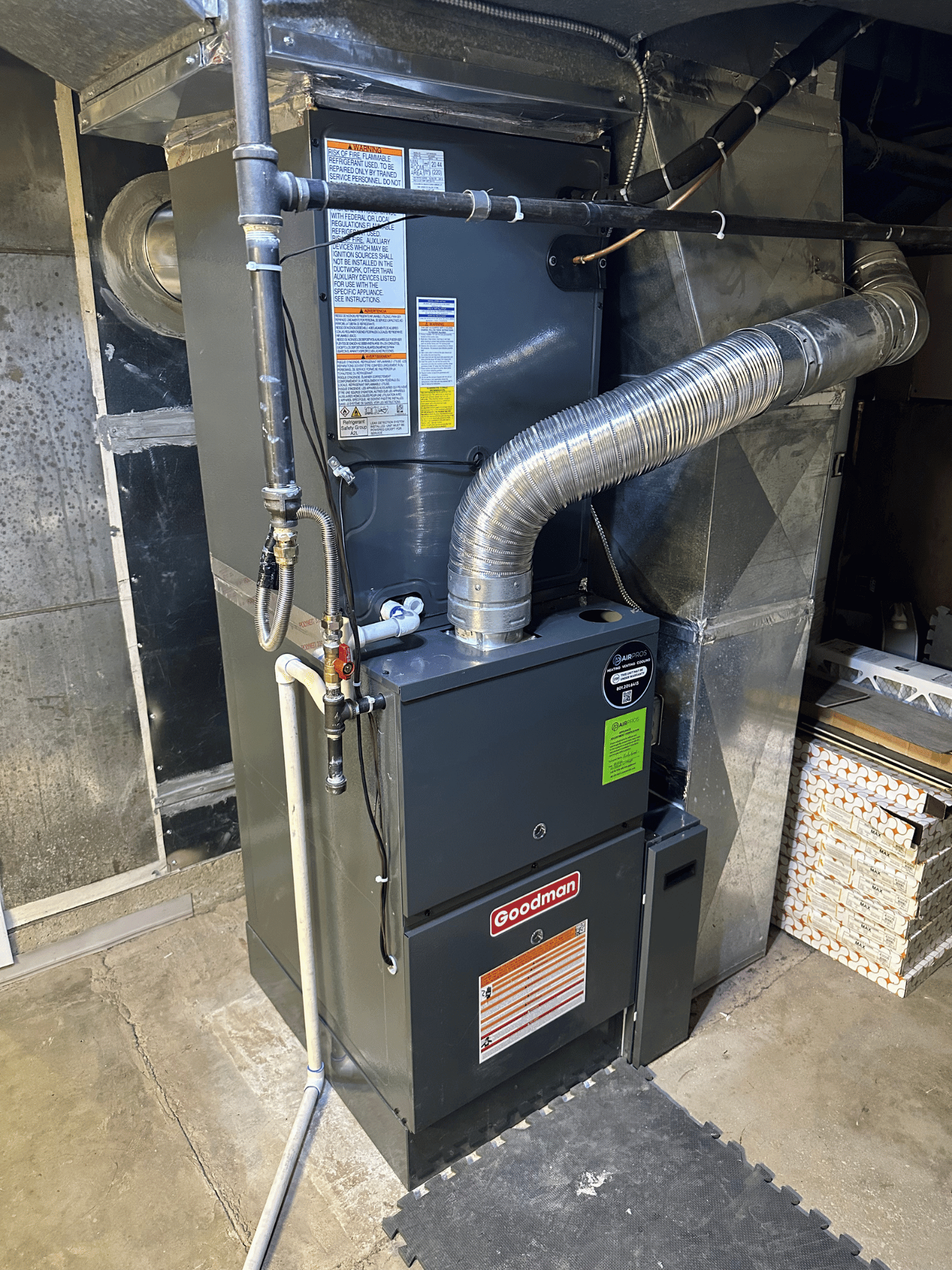
Ductwork replacement removes existing duct sections and replaces them with material suited to the job. Depending on the condition and layout, that might mean replacing a damaged branch serving one room, rebuilding a larger section, or replacing much of the duct system. A useful recommendation explains why each part needs attention.
The supply ducts carry heated or cooled air into the rooms. Return ducts carry air back toward the equipment. Both sides matter when deciding whether the existing layout can support the system. Replacing a supply run may leave a separate return-air problem unresolved, so the proposal should identify what the work will address.
New connections, supports, sealing, and insulation can also be part of a replacement project. Ask which are included in the estimate and how retained ducts connect to the new sections. That gives you a clearer picture of the work than a price labeled only “new ductwork.”
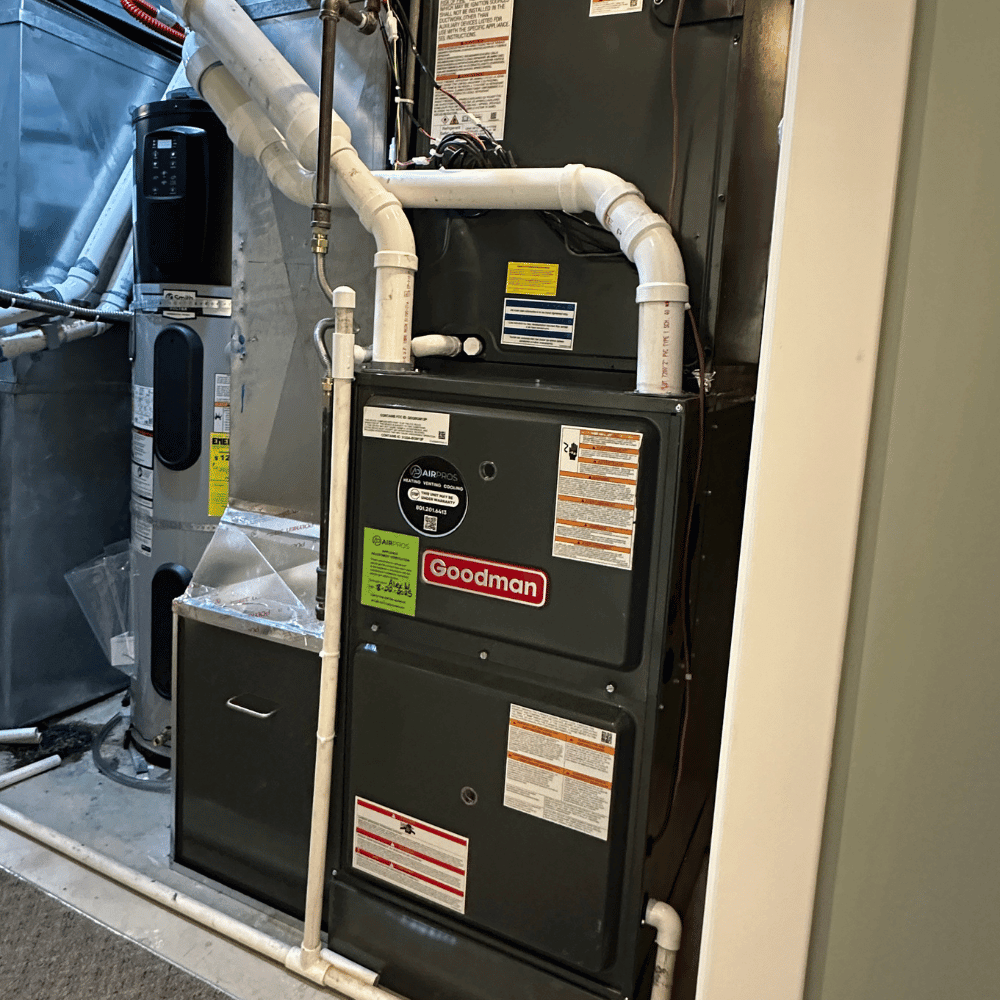
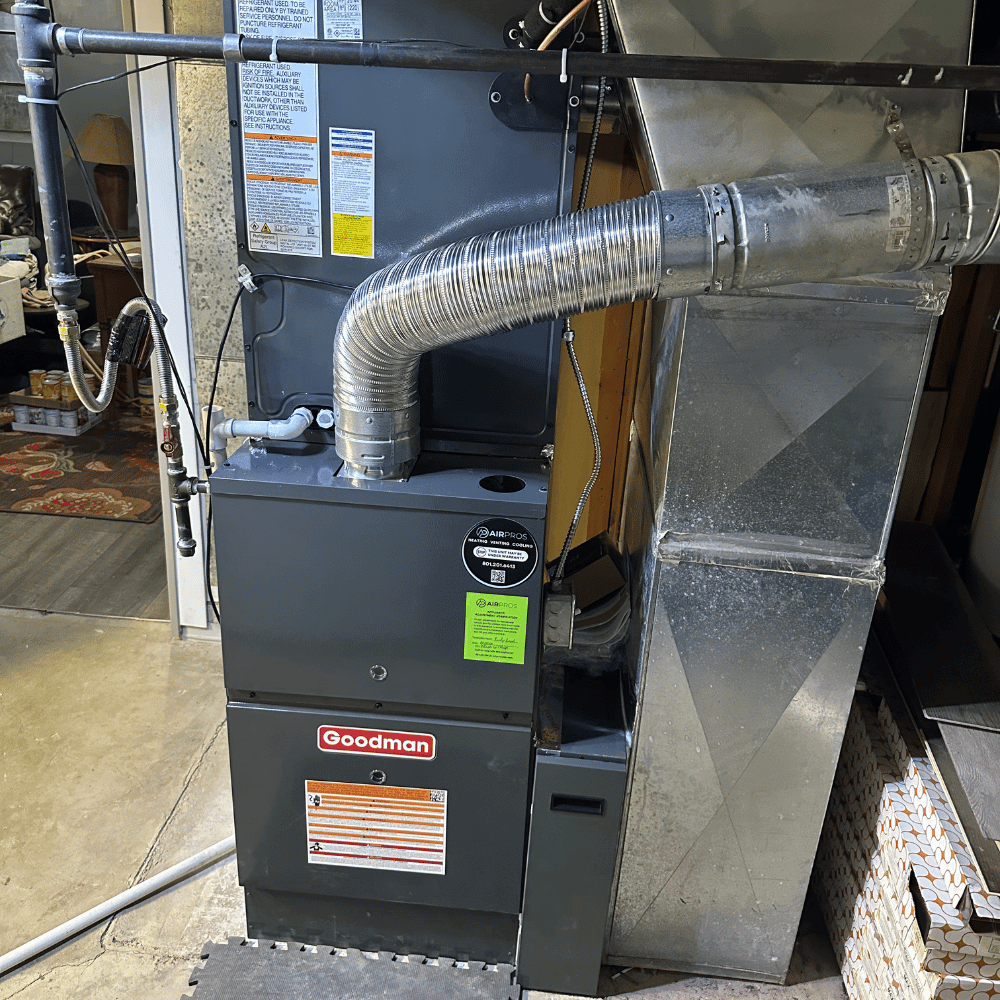
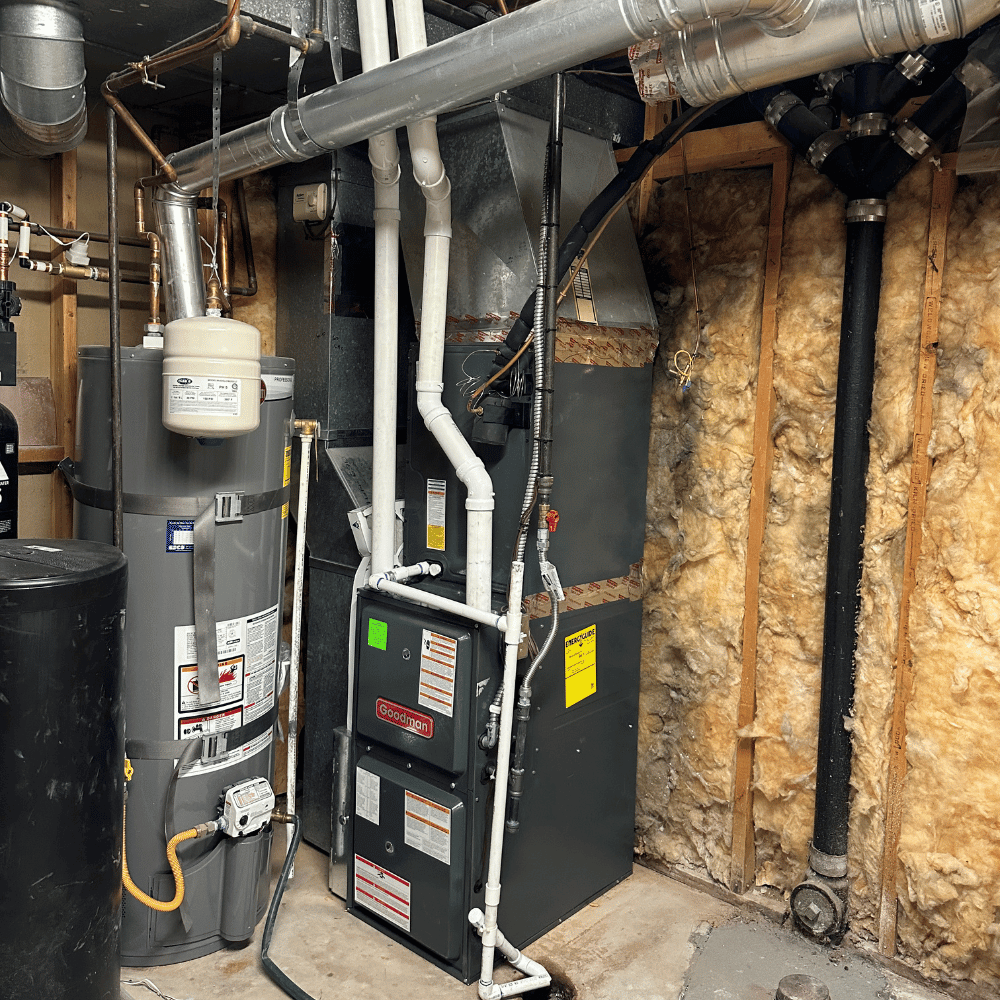
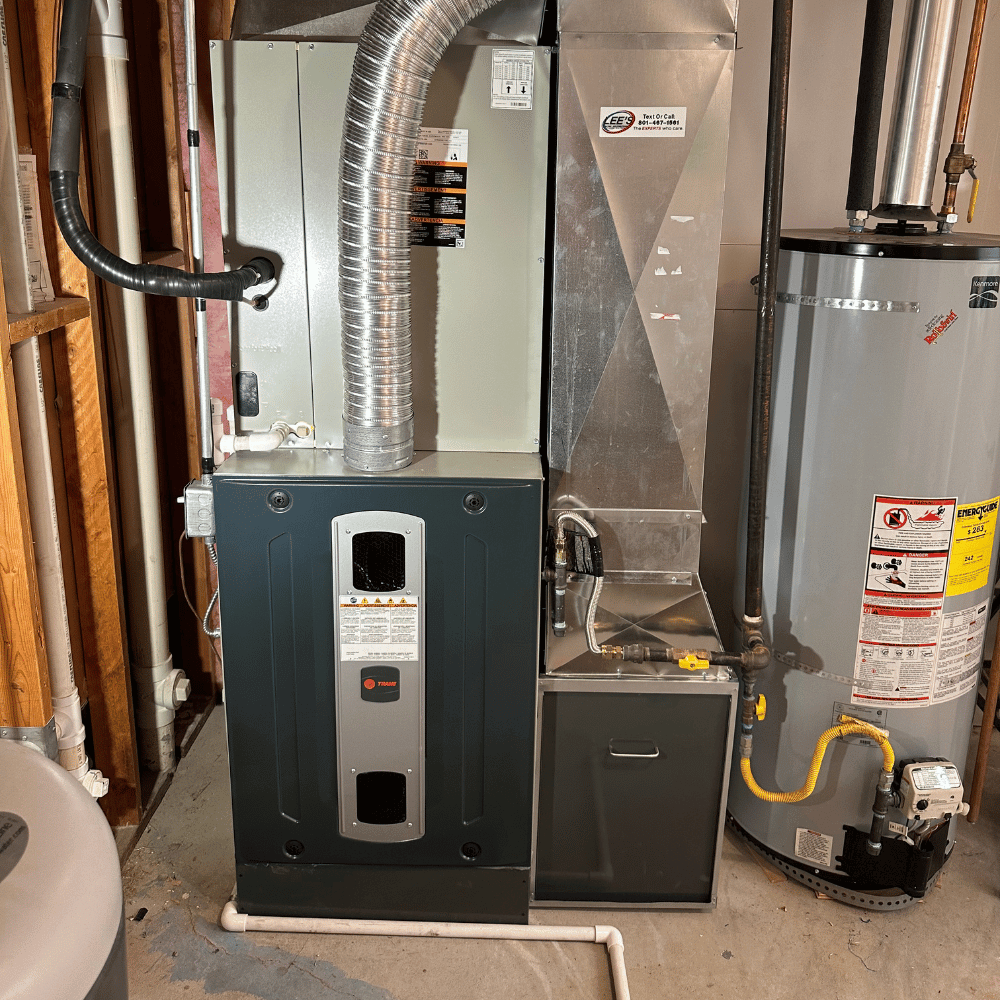
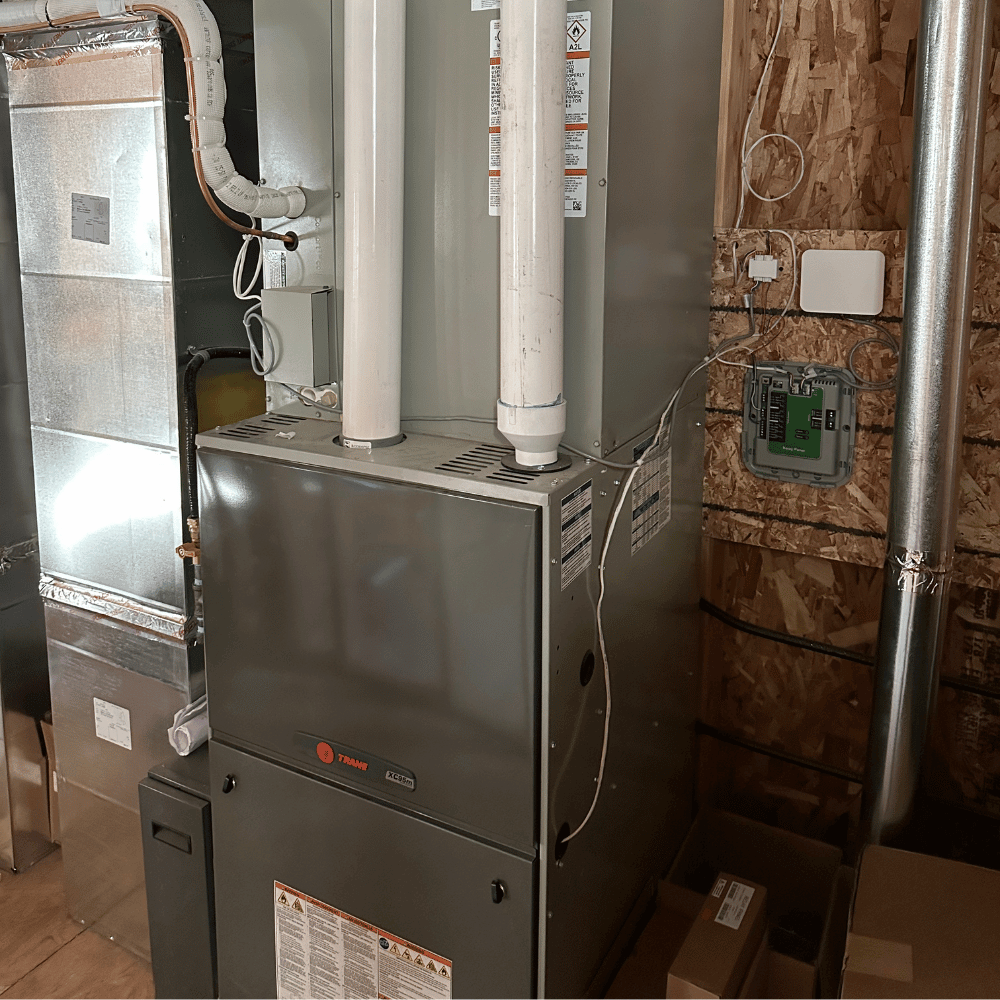
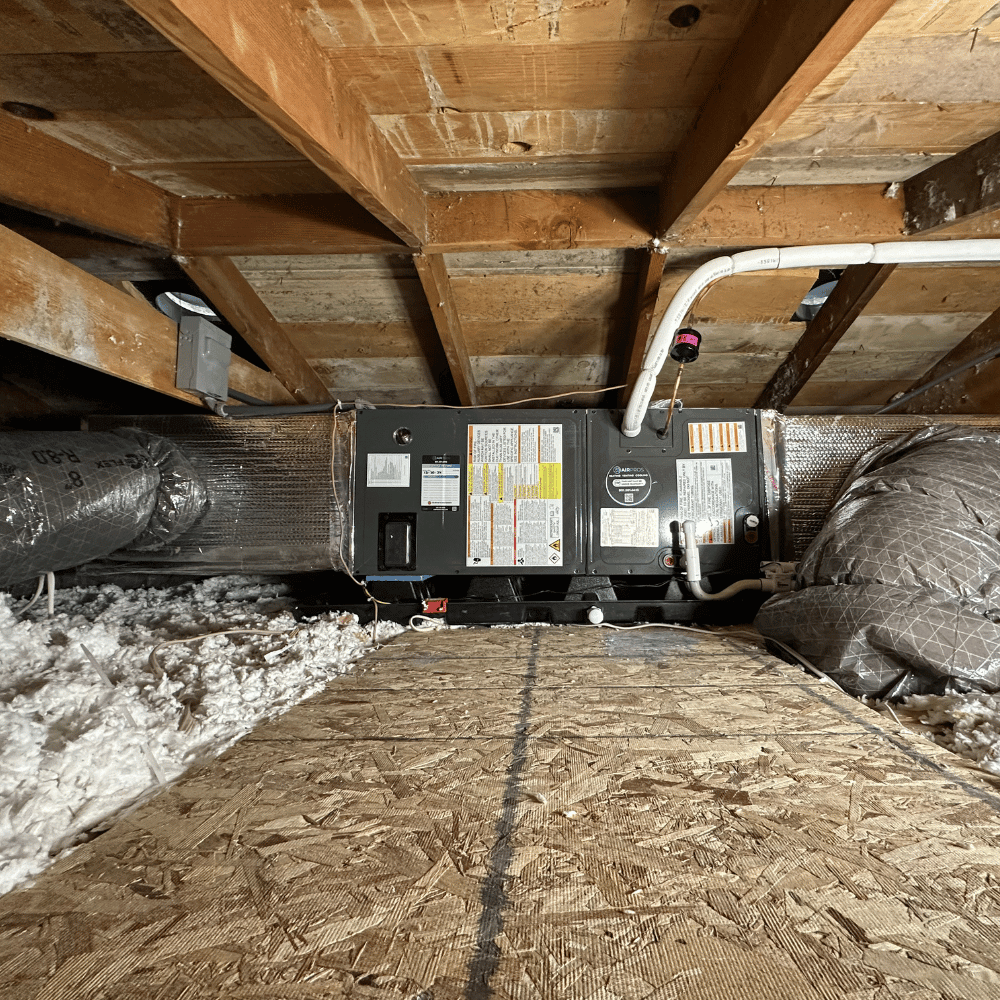




Ducts wear out where you rarely look: attics, crawl spaces, and basement ceilings. Filters, equipment faults, and thermostat settings can cause some of the same symptoms, and age alone isn't a reason to replace ducts. If several of these signs sound familiar, an inspection sorts out what's going on.
Flex duct that's torn or flattened, or metal duct with heavy rust, has usually worn past the point where another patch will hold. If you can see damage, it's worth checking the sections you can't see.
One fix is normal upkeep. When similar problems keep showing up in different parts of the system, ask whether replacing the worn sections would fix the cause instead of the symptoms.
Some rooms stay too warm or too cool even when the thermostat hits its setting. Damaged or poorly routed ducts are one common cause, though not the only one.
You can barely feel air at some registers, or airflow changed after a remodel. A crushed, disconnected, or undersized run is one possible cause.
Rattling, banging, or whistling that wasn't there before can mean ducts have come loose or collapsed. Exposed sections that sag or hang disconnected deserve a look.
If heating and cooling costs keep rising while your habits stay the same, air leaking from worn ducts can be part of the reason. Weather and equipment condition play a role too.


Air Pros Heating & Cooling is a locally owned company serving Salt Lake City and the surrounding valley. Alex and Tara built the business around personal service and clear communication. Your ductwork questions deserve the same attention as a furnace or air conditioner purchase.
Start by telling us what has been happening in your home. We can discuss the next step and help you understand the proposed work before you decide. If you already have an estimate, bring its scope and any photos of accessible ductwork to the conversation.
When you're comparing replacement options, it's useful to have someone explain the practical differences: what stays, what changes, and what the project is intended to resolve.
Partial replacement can make sense when damage is limited and the surrounding ducts are still usable. For example, a deteriorated branch may need replacing while the main trunk remains in good condition. The replacement still needs to connect properly and fit the airflow requirements of the system.
A larger project may be worth considering when deterioration affects many sections or the existing layout can't meet the home's needs. Repeated repairs in separate areas can also justify a closer look at the system as a whole. Replacing more material helps only if it addresses the problem you're trying to solve.
Ask the technician to explain both options where they are practical. Which sections would remain? Would a partial replacement leave a known restriction? Could work be divided into stages without creating extra disruption or duplicated labor? Comparing the limits of each option helps you decide what fits your home and budget.
A ductwork assessment may lead to a smaller repair, new ductwork, or replacement of existing sections. The name matters less than knowing why the proposed work fits the condition of your home.
Ductwork repair addresses a localized problem such as a disconnected joint or damaged connection. It may preserve most of the existing ductwork. Replacing a single damaged section can be part of that repair.
Ductwork installation serves new spaces or creates a new layout, such as the ducts for an addition or a finished basement. It can overlap with a replacement project when part of the old layout needs to change.
Duct sealing reduces leakage at joints and openings in usable ducts. It doesn't replace deteriorated material or correct every sizing problem. A replacement project also needs sound connections, so sealing may be part of the work without being the main service.
Air duct replacement focuses on the existing sections that can no longer do their job. Ask what evidence supports replacing those sections and which other options were considered.

Ductwork replacement cost depends on how much material needs replacing and how difficult it is to reach. Replacing an accessible branch is a different project from removing ducts hidden above a finished ceiling. A house's square footage alone doesn't show the full scope.
The main cost considerations are:
A written estimate should separate the ductwork scope from any equipment replacement. Ask Air Pros to discuss the options for your home before treating a general online price as your project budget. Compare estimates that cover the same work.
Before approving ductwork replacement, review what the estimate includes and what could change once the work starts. A short description may hide important differences between proposals, especially when some ducts are difficult to inspect in advance.
Ask for clarity on the following points:
If a permit or outside trade is needed, ask who handles it and whether its cost is included. Financing, discounts, and warranties can vary by project. Get any offered terms in writing. These details help you compare the total commitment before scheduling.
You may be able to replace ductwork while keeping your current furnace, air conditioner, or heat pump. The decision depends on the equipment's condition and whether the proposed ducts suit its airflow needs. Duct replacement and equipment replacement are related decisions, but they don't automatically have to happen together.
If you're already planning a new heating or cooling system, bring that plan into the ductwork discussion. Ask whether the proposed duct sizes, connections, and return path fit the equipment you expect to use. Coordinating the work can help avoid replacing a section now that would need another change during the equipment installation.
For an existing system, start with the comfort problem you want resolved. New ducts won't fix an unrelated equipment fault or every source of temperature differences. An assessment should connect the proposed changes to the findings in your home, so you understand what improvement the work is intended to make.
Air duct replacement affects parts of the house you may rarely use. Discuss access and timing before the crew arrives, especially if the ducts run through storage areas or finished spaces. The plan should account for the work route as well as the rooms where you notice a comfort problem.
A project-specific schedule is more useful than a general promise about installation time. Keep pets and belongings away from the agreed work areas, and discuss any household needs that affect the timing.
The price depends on the amount of ductwork, access, materials, and changes to the existing layout. Ask for a written estimate that identifies the ducts being replaced and any separate costs for access openings or finish repairs. Partial replacement and a whole-system project need different budgets.
Yes, partial replacement may be appropriate when the damage is limited and the remaining ducts are suitable. The new sections still need to work with the existing supply and return paths. An inspection helps determine whether a smaller scope would leave the underlying problem unresolved.
A localized connection problem may be repairable, while deterioration across several sections can make replacement more practical. The decision depends on material condition, layout, and the cause of the airflow problem. Age or a high energy bill alone doesn't establish that the ducts need replacing.
Often they can, provided the equipment is in usable condition and the new ductwork suits its requirements. If you expect to replace the equipment soon, discuss that plan before finalizing the ductwork scope. The two projects should use compatible designs.
Replacing damaged or unsuitable ducts can reduce some sources of wasted heating and cooling. The effect on your bills depends on the original problem, equipment, weather, and how you use the system. Ask what the assessment found instead of relying on a promised savings percentage.
That depends on where the ducts run and how they can be reached. Some sections are accessible without opening finished surfaces; others are concealed. Ask where openings are expected and who is responsible for restoring the finishes.
The schedule depends on the amount of work, access, and any changes to the layout. Ask for an estimate of working time and when the heating or cooling system will be unavailable. The contractor can give a more useful schedule after reviewing the home.
Sealing can be appropriate when the duct material is sound and leakage is the main concern. It doesn't replace damaged material or solve every restriction in the layout. The assessment should explain whether sealing, a repair, or replacement fits the condition of the ducts.