🚨 Have an emergency? Text us: 801-201-6413



Duct sealing closes the gaps where heated and cooled air escapes before it reaches your rooms. Air Pros Heating & Cooling helps Salt Lake City homeowners find out where their ducts leak and whether sealing is the right fix. The work suits ducts that are in usable condition but lose air at joints, seams, and connections.
Perhaps one bedroom never warms up in January, or the upstairs stays stuffy all summer. You might see dust collecting near a return vent, or notice that the furnace runs longer than it used to. Tell us what you've noticed and where in the house it happens. That's enough to work out a sensible next step.
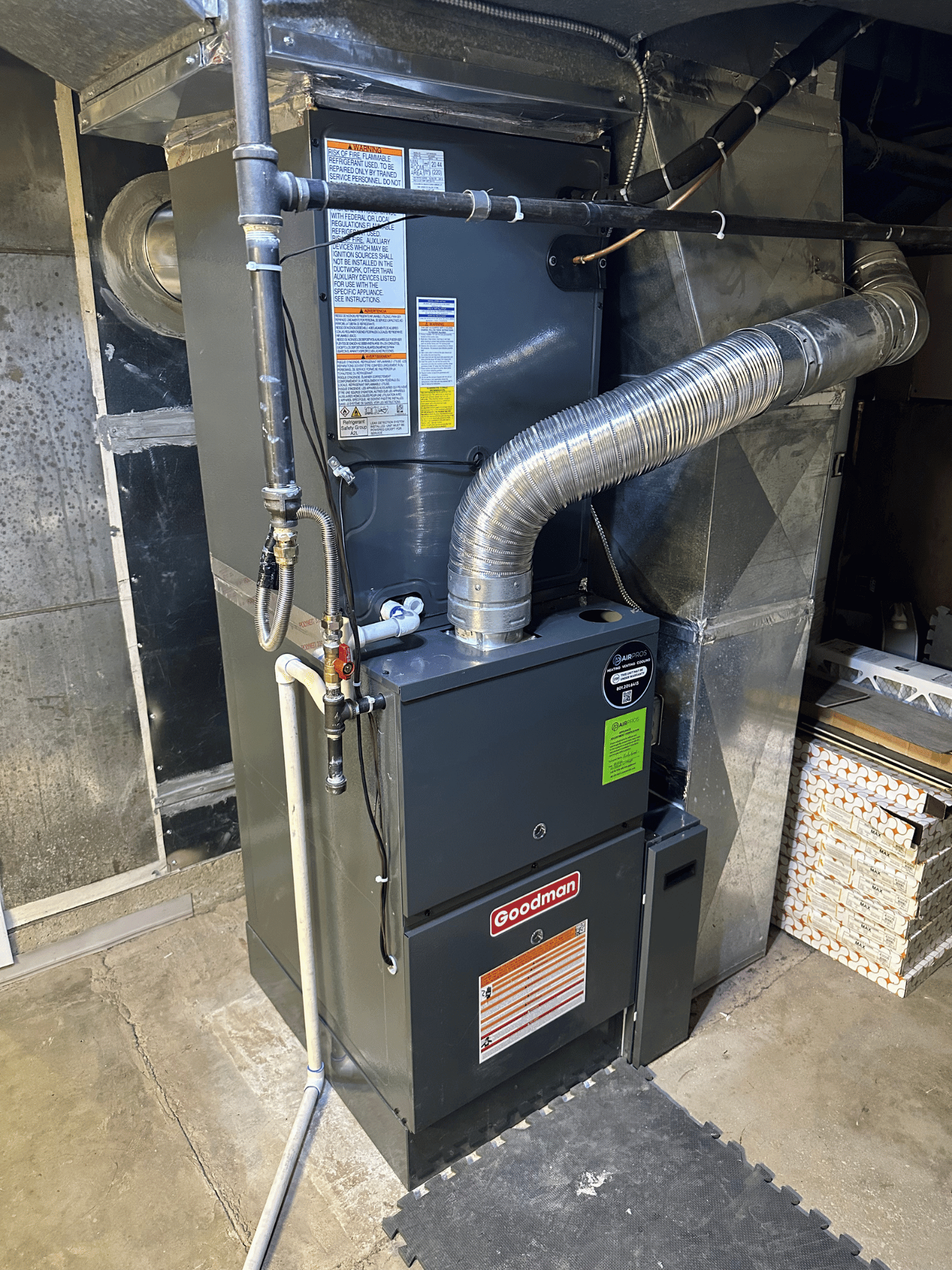
A duct sealing service starts with finding where the air escapes. Leaks are common where two duct sections join, where a branch leaves the main trunk, and where a duct meets the register boot behind a vent. The connection between the ducts and the furnace or air handler is another place to check.
Sealing closes those openings with materials made for ductwork, such as mastic sealant or foil-backed metal tape. Ordinary cloth duct tape isn't one of them: it dries out and lets go. Depending on the house, the work can cover accessible runs in a basement, attic, or crawlspace, the joints at the equipment, and the gaps around registers where they meet the floor, wall, or ceiling.
Both sides of the system matter. Supply leaks send heated or cooled air into spaces you don't live in. Return leaks pull dusty, unfiltered air from those spaces into the system. Ask which side of the system the proposed work addresses, which sections can be reached, and how the result will be checked. Those answers give you a clearer picture than a line that reads only “seal ducts.”
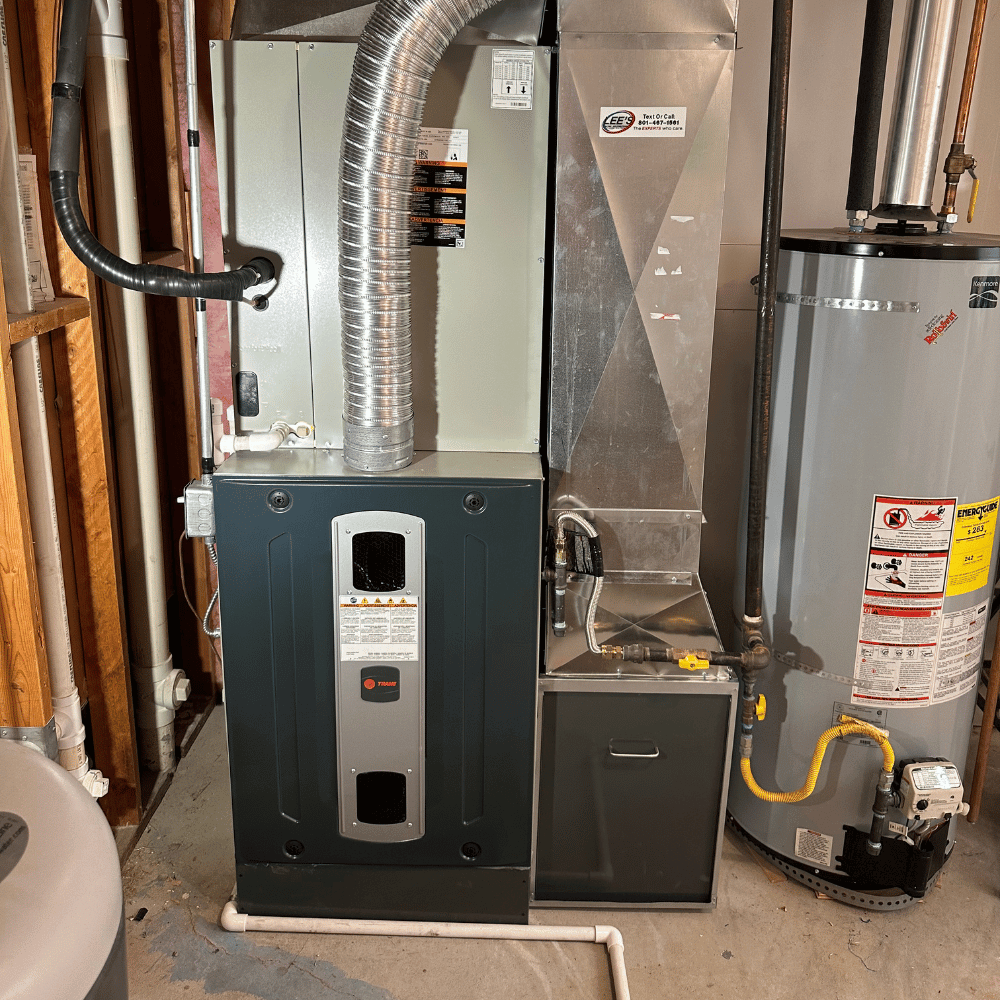
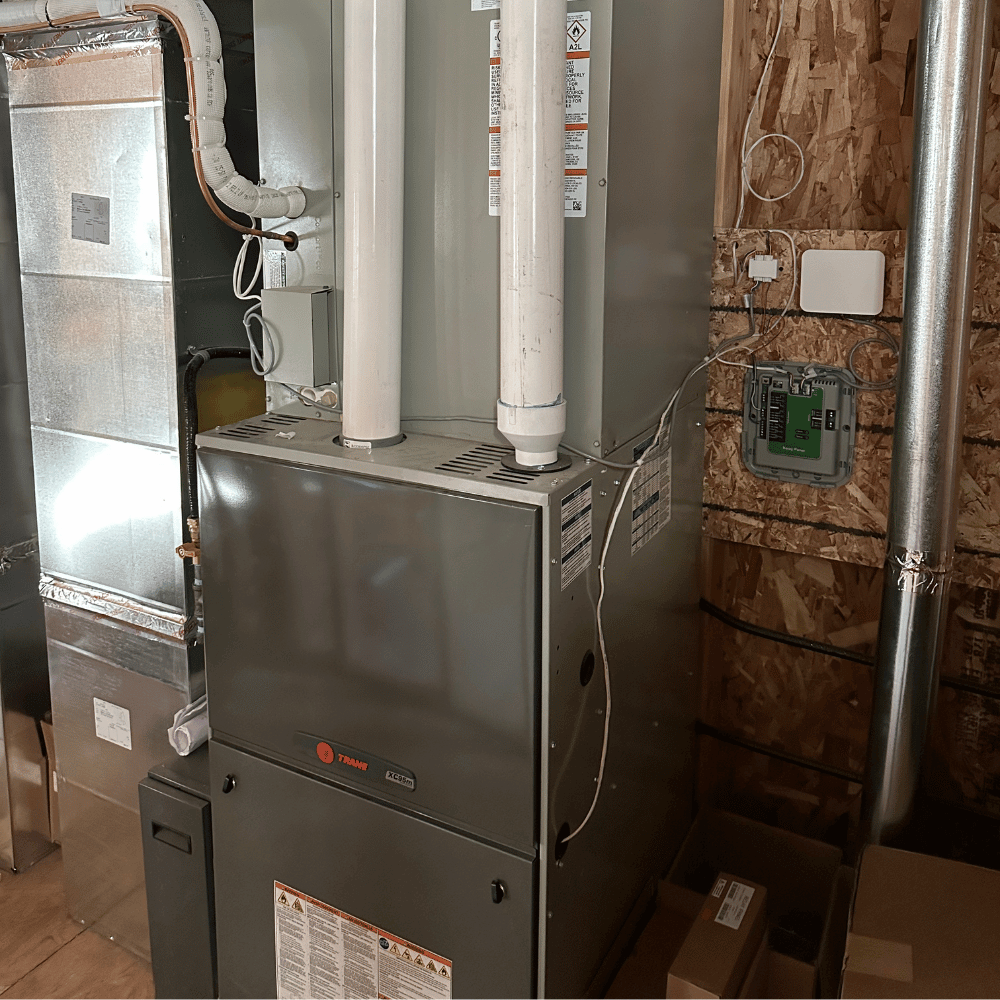
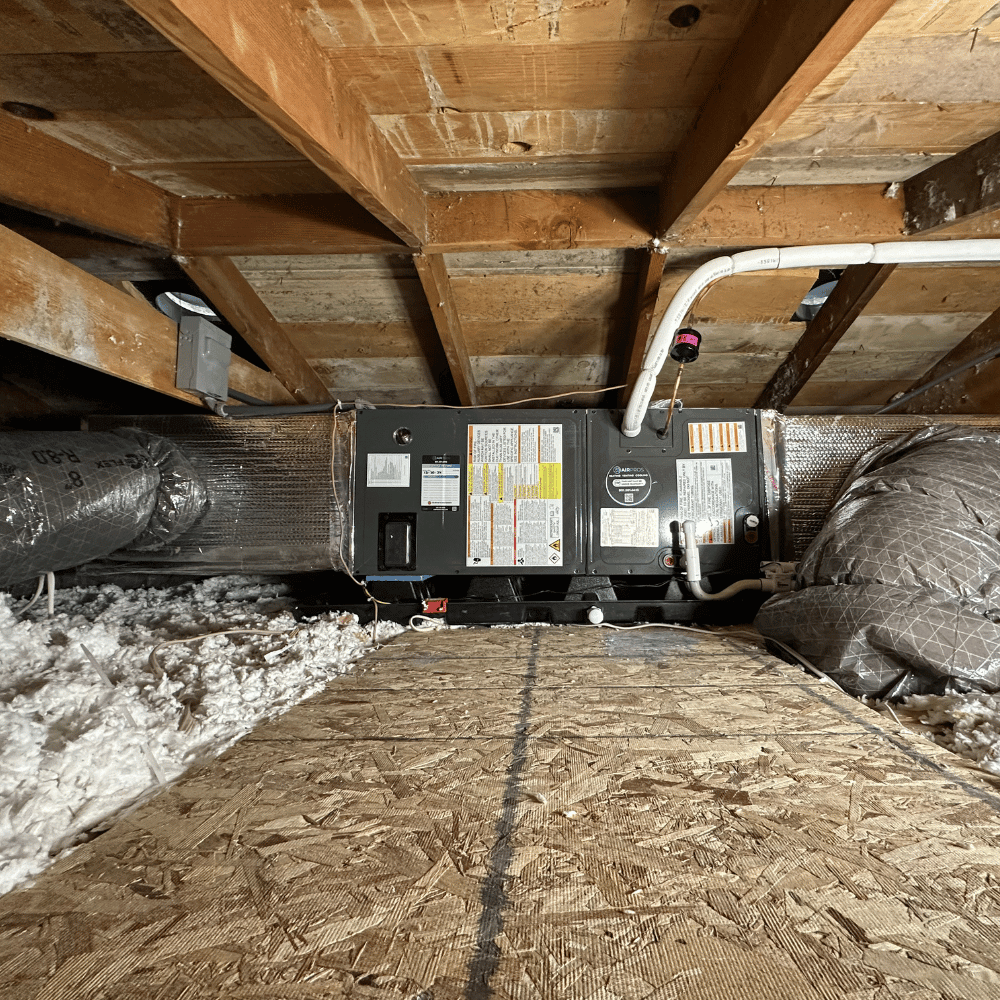




ENERGY STAR estimates that a typical house loses about 20 to 30 percent of the air moving through its ducts to leaks, holes, and poor connections. A clogged filter, an equipment fault, or an undersized duct can cause some of the same symptoms, so none of these signs proves sealing is the answer. If several of them sound familiar, an inspection connects the symptom to a cause.
Some rooms stay too cold in winter or too warm in summer even when the thermostat reaches its setting. Leaks along the ducts that serve those rooms are one common reason.
You can barely feel air at certain registers, or a room feels stuffy no matter how long the system runs. Air escaping before it reaches the vent can leave less for the room.
If heating and cooling costs keep rising while your habits stay the same, you might be paying to condition air that never reaches your rooms. Weather and equipment condition play a role too.
Dust builds up around return vents or comes back soon after you clean. Leaky returns can pull air from attics, crawlspaces, and basements into the system.
Much of your ductwork runs through an attic, crawlspace, garage, or unfinished basement. Leaks in those spaces send heated and cooled air where you don't live.
When part of the air leaks out along the way, the system runs longer to reach the thermostat setting. Note when you first noticed the change and whether anything in the house changed around then.


Air Pros Heating & Cooling is a locally owned company serving Salt Lake City and the surrounding valley. Alex and Tara built the business on personal service and straight answers. A question about leaky ducts gets the same attention as a furnace or air conditioner purchase.
Tell us what's been happening in your home. We'll talk through what it might mean and explain any proposed work before you decide. If you already have an estimate or a home energy report, bring it to the conversation along with any photos of accessible ductwork.
When you're comparing options, it's useful to have someone explain the practical differences: what gets sealed, what can't be reached, and what the work is intended to resolve. Contact Air Pros about duct sealing in the Salt Lake Valley, or call 801-201-6413.
Many homes in the Salt Lake Valley have a furnace in the basement with duct trunks running along the basement ceiling. Those joints are often exposed in an unfinished basement and hidden above drywall in a finished one. Two-story homes and additions frequently have runs through an attic or a crawlspace.
Location changes how much a leak matters. A supply leak into a finished basement still warms a room you use. The same leak in an attic sends furnace heat into a space that freezes in winter and cooled air into a space that bakes in summer. A return leak in a crawlspace or garage draws that air into the system and through your filter.
Access matters as much as location. Exposed ducts can be inspected and sealed by hand, joint by joint. Ducts enclosed in walls and ceilings are harder to reach, and the practical options for those sections are different. Ask which parts of your system can be inspected directly and what the plan is for the parts that can't.
A ductwork assessment can lead to sealing, a repair, new ductwork, or replacement of existing sections. The name matters less than knowing why the proposed work fits the condition of your ducts.
Duct sealing reduces leakage at joints, seams, and connections in ducts that are otherwise sound. It doesn't rebuild damaged material, and it doesn't correct a duct that is too small for the room it serves.
Ductwork repair addresses a localized problem, such as a disconnected joint, a crushed section, or a torn flexible duct. Reconnecting a run that has come apart is a repair, and sealing the new connection is part of finishing that repair properly.
Ductwork installation serves new spaces or creates a new layout, such as the ducts for an addition or a finished basement. New ducts need sealed connections from the start.
Ductwork replacement retires sections that are deteriorated or unsuitable. Sealing old ducts that are near the end of their useful life rarely makes sense, because the material itself is the problem.
Duct sealing fits when the ducts are in good condition and air loss is the main concern. Ask what the inspection found and which other options were considered.

Duct sealing cost depends on how much ductwork needs attention and how difficult it is to reach. Sealing the exposed joints in an unfinished basement is a different project from working through a low crawlspace or a hot attic. A home's square footage alone doesn't show the full scope.
The main cost considerations are:
A written estimate lists which ducts are included and which are not. A national price guide doesn't know how your ducts are routed, so talk through the options for your home with Air Pros before you set a budget. If you collect more than one estimate, check that each covers the same ducts and the same checks.
Before approving duct sealing, review what the estimate covers and what can change after the work starts. Two proposals with similar prices can describe very different amounts of work, especially when some ducts are hard to inspect in advance.
Ask for clarity on the following points:
Utility rebates and other incentives change over time. If one is part of the conversation, ask for the current terms in writing and check who files the paperwork. Settle these details before you schedule.
There are two broad approaches to air duct sealing, and the right one depends on where your ducts run.
Hand sealing treats the joints and connections a technician can reach. Mastic or foil-backed tape goes on each joint, seam, and boot. Hand sealing works well for exposed basement trunks, attic runs, and crawlspace ducts. Its limit is access: a joint sealed inside a finished wall stays out of reach.
Aerosol sealing treats the system from the inside. The registers are blocked, and sealant particles are blown through the ducts so they collect at the leaks and close them. Aeroseal is the best-known brand of this method. It can reach ducts hidden in walls and ceilings, and it typically comes with a before-and-after leakage measurement. It costs more than sealing a few exposed joints, and it doesn't fix disconnected or crushed ducts.
Neither approach is the right answer for every house. A home with open basement ductwork might need only hand sealing. A home with most of its ducts enclosed might be a candidate for the aerosol method. Ask which approach the contractor recommends for your layout and why.
Duct sealing takes the crew into parts of the house you rarely visit. Discuss access and timing before the visit, especially if the ducts run through storage areas, a crawlspace, or an attic hatch inside a closet.
A schedule based on your house is more useful than a general promise about working time. Clear a path to the work areas, keep pets elsewhere for the day, and tell us about anything in the household that affects timing.
The price depends on the amount of ductwork, how it is reached, the sealing method, and any repairs found along the way. Ask for a written estimate that identifies the ducts included and the checks that come with the work. Hand sealing a few exposed runs and sealing an entire system are different budgets.
It can be when the ducts are in good condition and an inspection shows meaningful leakage, especially in an attic, crawlspace, or garage. It is less useful when the ducts are deteriorated or the comfort problem has another cause. Ask what the assessment found before relying on a promised savings percentage.
Common signs include rooms that are hard to heat or cool, weak airflow at some registers, and dust around return vents. Those symptoms have other possible causes, so an inspection or a leakage test is the reliable way to find out. Accessible joints can often be checked visually.
No. Despite its name, cloth duct tape dries out and lets go, and ENERGY STAR advises against using it on ducts. Mastic sealant and foil-backed metal tape are made for the job. Sealing a few exposed joints yourself is possible, but it won't reach leaks hidden in walls, ceilings, or tight crawlspaces.
Aeroseal is a brand of aerosol sealing that closes leaks from inside the ducts. Sealant particles are blown through the system and collect at the gaps. It can reach ducts that are enclosed in walls and ceilings, and it doesn't replace repairs to disconnected or damaged sections. Ask any contractor which method they propose for your home and why.
It depends on how much ductwork is involved, how it's reached, and the method. Hand sealing an open basement is a shorter visit than treating a whole system. Ask how long the crew expects to be there and when the heating or cooling will be off.
Sealing reduces the heated and cooled air lost before it reaches your rooms, which can reduce wasted energy. The effect on your bills depends on how leaky the ducts were, where they run, the equipment, the weather, and how you use the system. No one can responsibly promise a specific number in advance.
Sealing is appropriate when the duct material is sound and leakage is the main concern. It doesn't restore deteriorated ducts or correct a layout that can't deliver enough air. An assessment explains whether sealing, a repair, or replacement fits the condition of the ducts.