🚨 Have an emergency? Text us: 801-201-6413



A bedroom that never warms up or a vent that barely moves air can point to a problem in the ducts. Air Pros Heating & Cooling offers air duct repair for Salt Lake City homeowners who need to find out what's wrong before deciding what to replace. A loose connection and a failing duct system call for different work.
We help you understand how a duct repair fits with the rest of your heating and cooling system. Tell us which rooms feel different, when the problem started, and whether anything changed during a recent remodel or equipment replacement. Those details help us decide what to check. You don't need to know the name of the damaged part to get help.
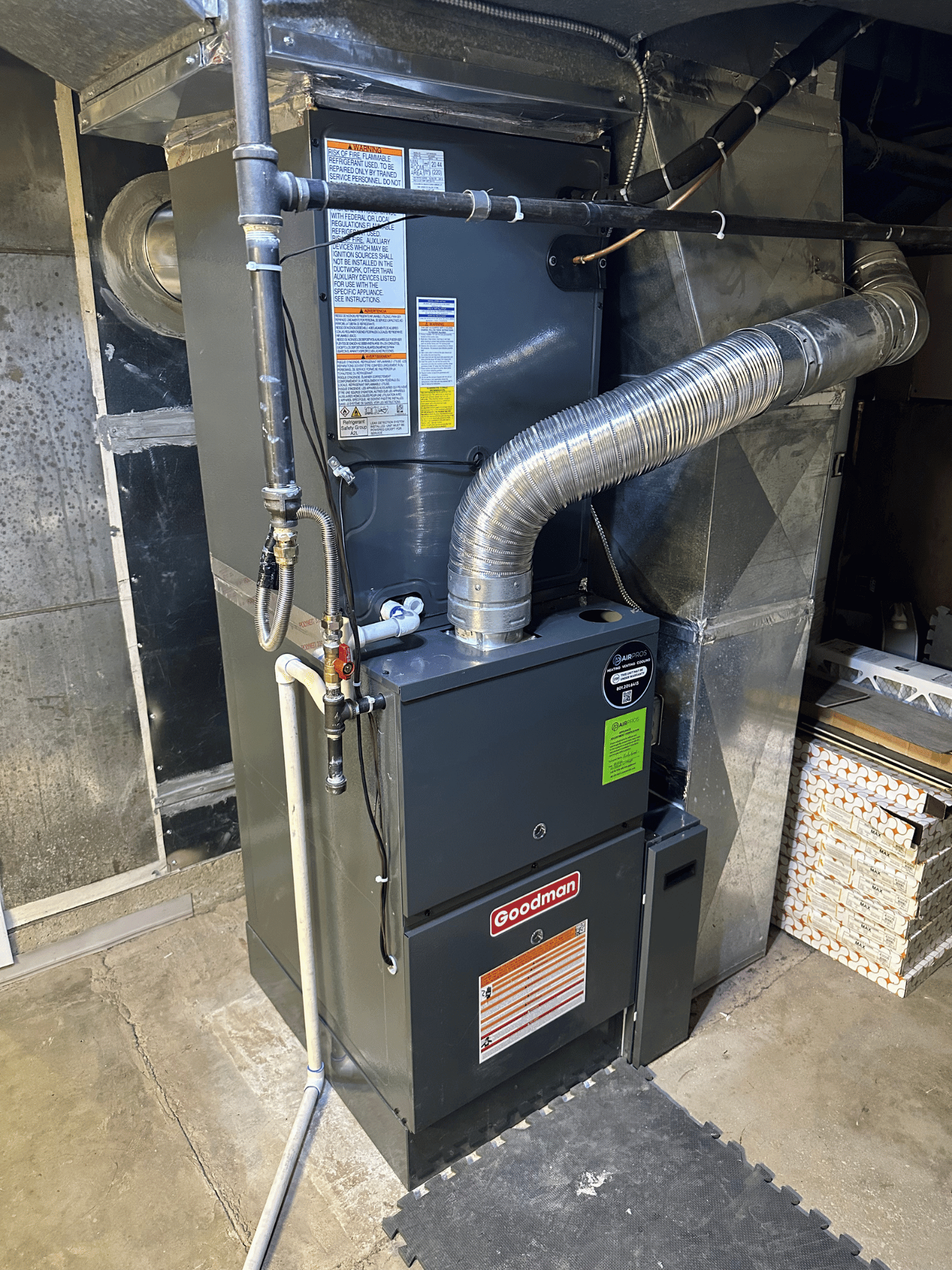
Ductwork repair deals with the parts that carry air between your HVAC equipment and the rooms in your house. The right repair depends on the material, the condition of nearby sections, and how the duct is supported. The goal is to fix the damage and keep usable ductwork in place.
The assessment helps narrow down which repair your home needs. Air Pros can explain the options before you decide on the work.
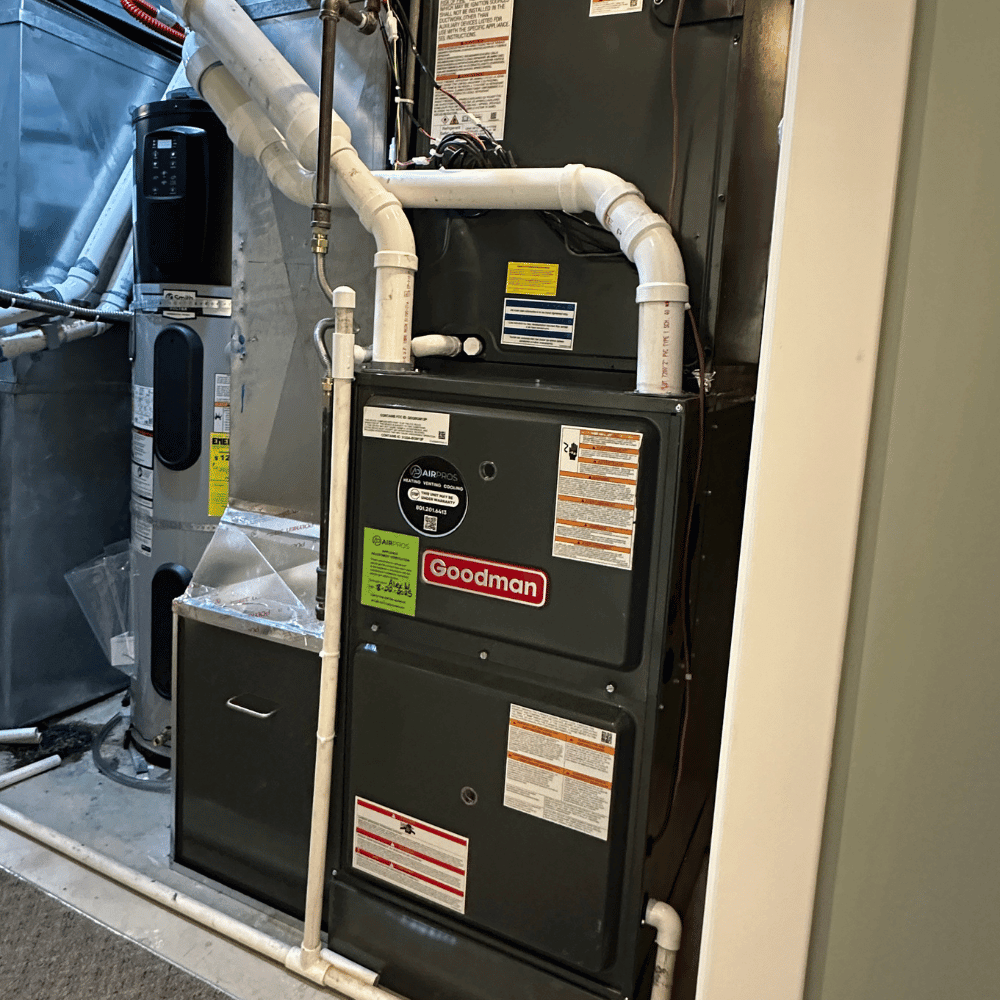
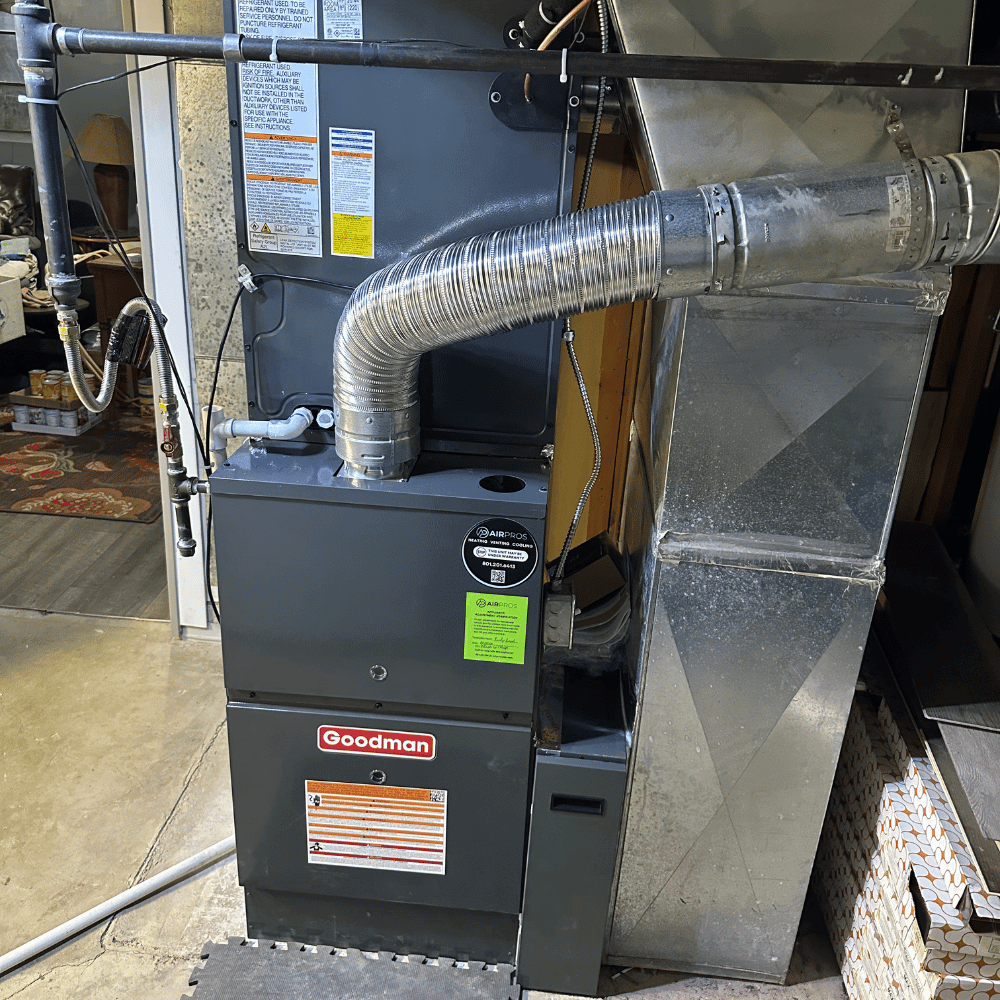
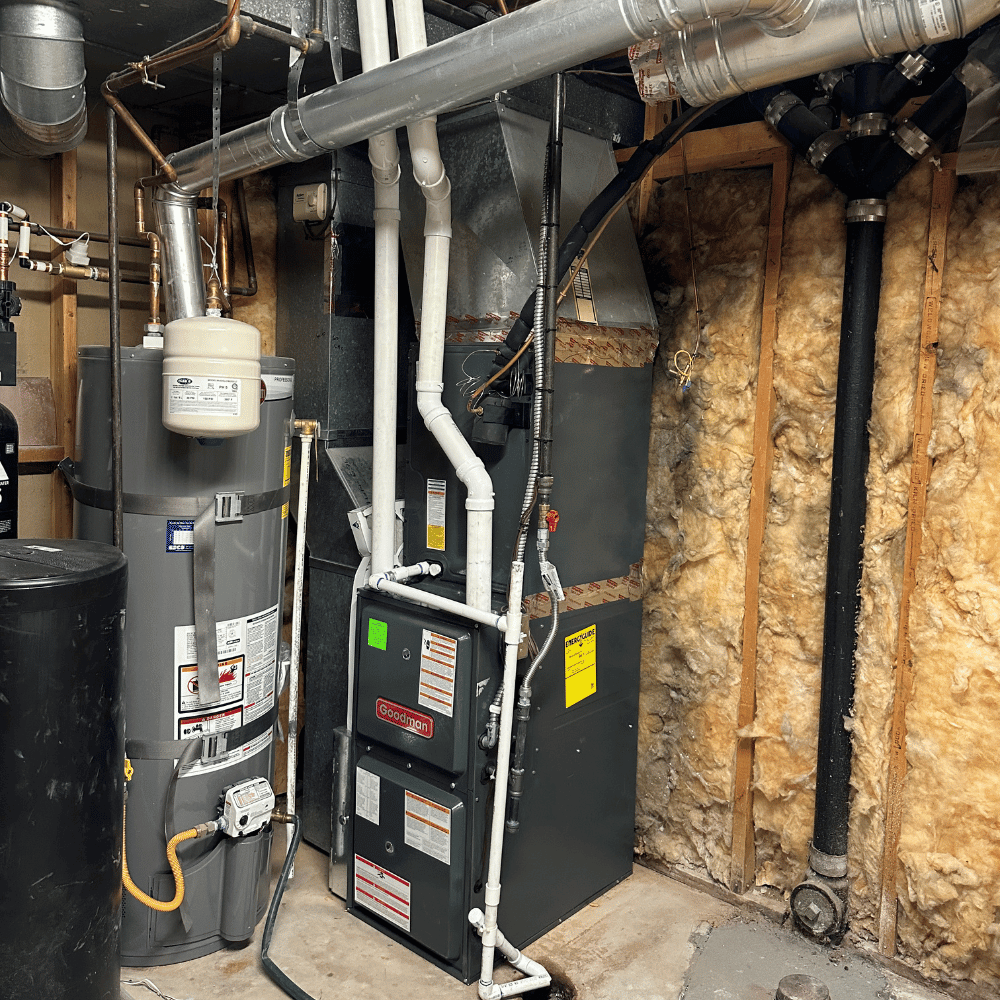
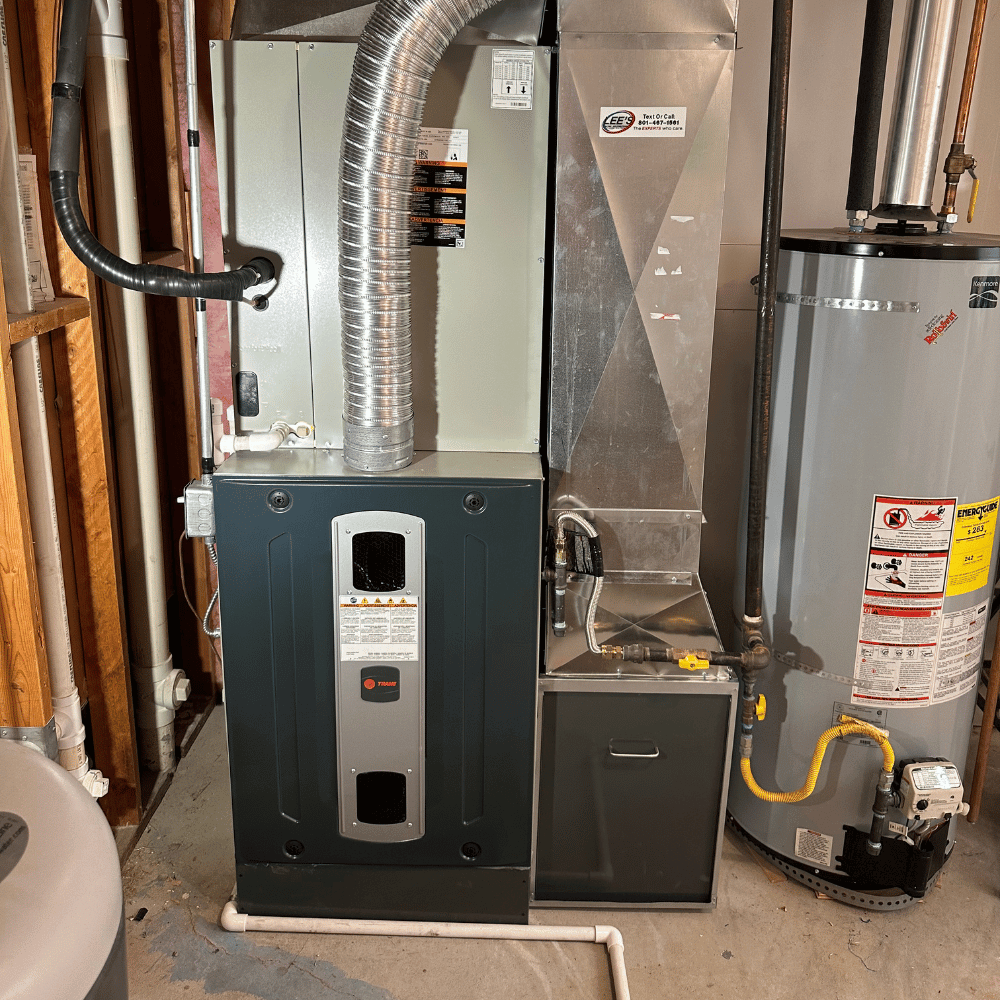
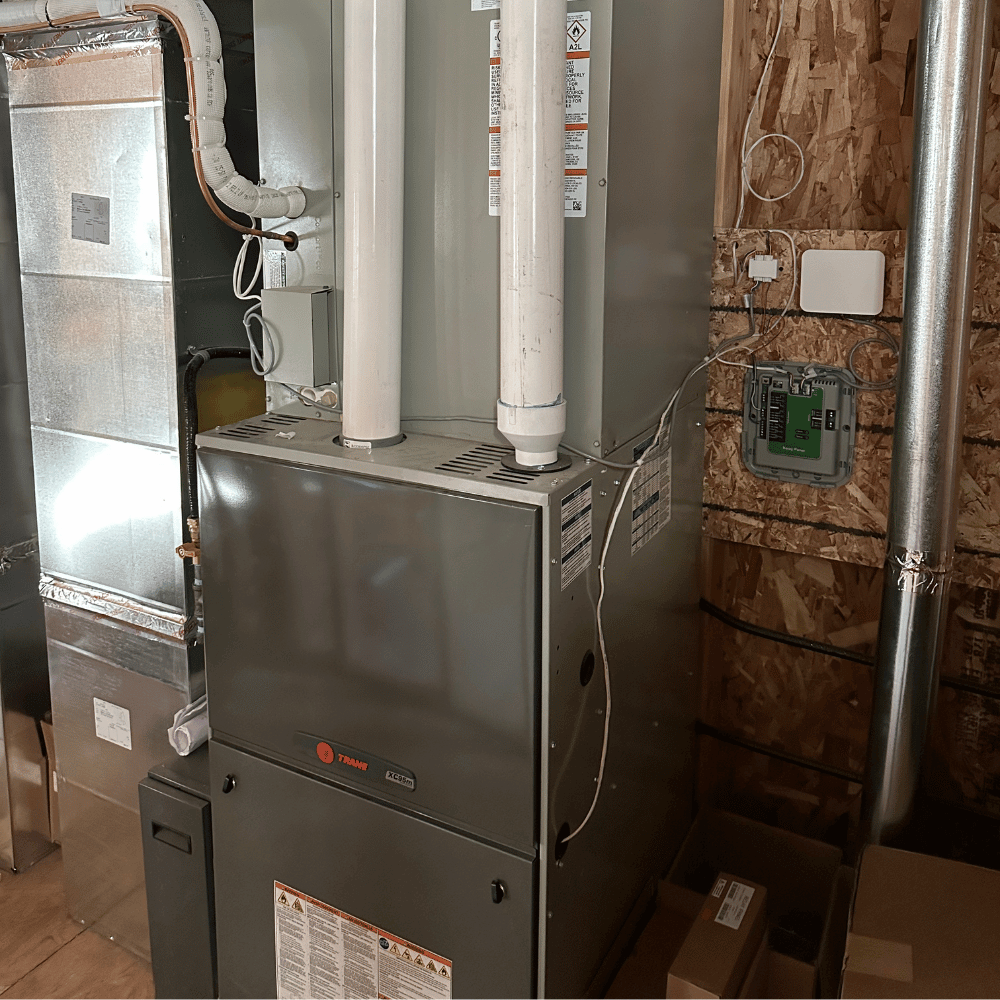
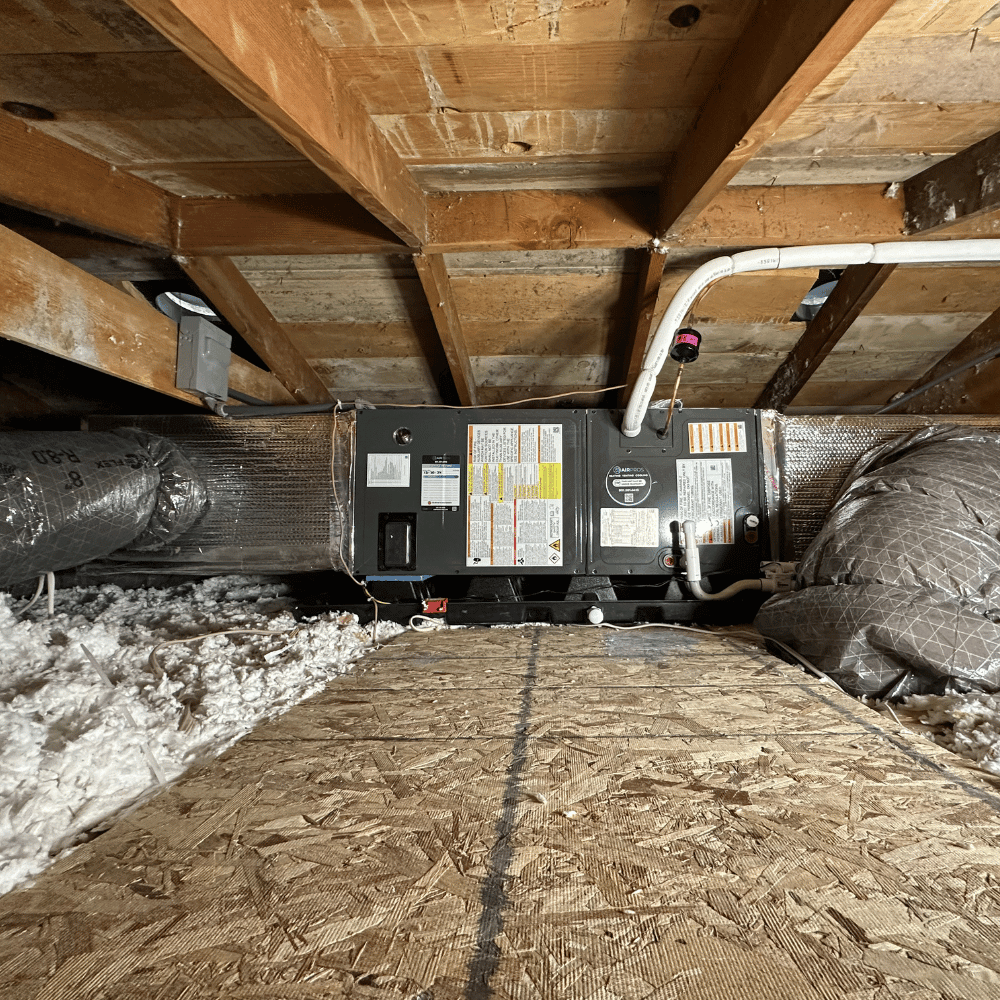




Duct problems usually show up in the rooms you use every day. These signs help you describe what's going on, but none of them proves a duct is leaking. A dirty filter, a blocked return, or an equipment fault can cause some of the same symptoms, so an inspection settles it.
A bedroom or basement stays warmer or cooler than the rest of the house even when the thermostat reaches its setting. Note whether it's one room or several served by the same part of the system.
A damaged, disconnected, or restricted run is one possible cause. Check that furniture or a rug isn't covering the register first, and tell the technician if the airflow changed recently.
If a room lost airflow after a remodel, new equipment, or work in the attic or basement, a duct may have been knocked loose or crushed. A room that has always been uncomfortable points to different questions.
An open joint, a torn flex duct, or a crushed run gives the inspection a place to start. A photo from a safe, accessible spot helps you explain what you noticed.
Noises that weren't there before can mean a connection has worked loose or a section has shifted. Note when the sound happens, such as when the system starts or while it runs.
Duct leaks can waste heating and cooling. Weather, utility rates, and equipment condition also affect bills, so a higher bill alone isn't a diagnosis.


Air Pros is a locally owned heating and cooling company serving the Salt Lake Valley. Alex Wiltz runs the company, and our work includes furnace and air conditioner service, heat pumps, ductless systems, and basement HVAC projects. That broader equipment experience is useful when an airflow problem needs more than a look at one vent.
Clear explanations help you decide what work to approve. Tell us what you're noticing and what you've already tried. If you're also planning an equipment replacement or a remodel, bring that into the discussion so the ductwork decision fits the rest of the project.
You can contact Air Pros with a problem to investigate; you don't need to arrive with a repair plan. We can talk through the next step and help you understand the options for your home. Start with the rooms that are uncomfortable and the change you'd like the work to make.
A repair is worth considering when damage is limited and the surrounding ductwork is still usable. For example, a disconnected run doesn't automatically mean every duct in the house needs to go. Replacing one damaged section can also be part of a repair without becoming a whole-system replacement.
A broader replacement deserves a closer look when deterioration affects many sections or the existing layout cannot serve the home well. Repeatedly patching individual problems may leave the larger issue in place. Duct size, routing, access, and the needs of your equipment all belong in that discussion.
Ask what the proposed work will change. Will it reconnect a run, reduce leakage, replace damaged material, or correct the layout? A useful recommendation connects the problem you can feel in the room to the work being proposed. It should also explain any limits, including rooms that may need a separate solution.
Air Pros works on both HVAC repairs and installations, so you can discuss the duct issue alongside your equipment plans. If you're adding conditioned space or need new runs, our ductwork installation service covers that part of the project. You don't have to decide between repair and replacement before contacting us.
Sealing addresses air escaping through openings in a duct system. Repair is a broader category: it can involve reconnecting a section, correcting a damaged run, or replacing material that no longer works. The two can overlap when a repaired connection also needs to be sealed.
Supply ducts deliver heated or cooled air to your rooms. Return ducts carry air back toward the equipment. Leaks on the return side can pull air from spaces outside the intended return path, which is one reason an assessment should consider both sides of the system. A visible supply leak may be only part of the picture.
Mastic and suitable duct tape products are common sealing materials; ordinary cloth-backed duct tape can dry out and fail. The method must fit the duct material and the condition of the connection. A sealant cannot correct a crushed passage or provide a missing room with a properly sized duct.
If leakage appears to extend beyond a single repair, ask Air Pros about the appropriate sealing scope. Discuss access and the expected result before choosing a method.

Start the visit with the rooms that aren't comfortable. Air Pros' approach to HVAC service emphasizes explaining the diagnosis and options before work begins. For a ductwork concern, these are the points to work through with the technician.
Describe the rooms affected. Explain where airflow or temperature feels different and whether the problem is constant. Mention recent equipment changes, remodeling, or work around exposed ducts, even if you're unsure they're related.
Review what the inspection found. Ask which parts of the ductwork were accessible and where further investigation may be needed. Photos or a description of the affected location can make the proposed work easier to understand.
Agree on the repair scope. Clarify which connections or sections the quote covers, how access will be handled, and whether any related work falls outside the quote. If wall or ceiling access is needed, discuss who will handle opening and restoring that surface.
Discuss the follow-up check. Ask how the result will be checked and what to watch for after the work. An airflow concern should have a clear follow-up, especially if more than one issue contributes to an uncomfortable room.
Bring your questions to the visit. Before approving work, make sure the scope and any unanswered questions are clear.
Ductwork repair cost depends on the job's scope and access. A loose connection in an unfinished basement is a different project from damaged ductwork concealed above a finished ceiling. A quote needs to account for the damage and the work needed to reach it.
The duct material and the condition of the surrounding system also affect the work. A serviceable connection may need a focused repair, while deteriorated material may require a replacement section. If the layout contributes to poor airflow, a quote may need to address that issue separately from visible damage.
Ask for a clear description of the work included. It helps to separate the duct repair from optional improvements and any opening or restoration of walls and ceilings. If you're comparing quotes, check that they address the same areas and include the same follow-up work.
Air Pros offers a contact form for estimates. Describe the symptoms and where the ducts are located so the team can advise you on the next step. Confirm any assessment charge and the proposed scope when you schedule. A general online price can't account for those details in your home.
Air Pros serves homeowners in Salt Lake City and surrounding Salt Lake Valley communities, including Sandy, Murray, and West Jordan. Contact us with your address and a description of the ductwork concern to discuss scheduling.
The details of the house matter more than the city name when planning a repair. Ducts above a finished basement ceiling need a different access discussion from exposed runs in a utility area. Let us know where you can see the ductwork and which rooms have the problem. You don't need to enter a tight space or remove a ceiling panel to gather information for the first call.
If the project is part of a basement finish or another remodel, mention the construction schedule. Discussing the ductwork while access is available can help you coordinate the repair with the rest of the work.
Your ductwork question may involve more than one service. Use the Duct Work hub to see how the options fit together, then discuss the work that matches your home.
Ductwork installation. New rooms and changed layouts may need new runs or a new duct design. Visit Ductwork Installation if your project adds heating and cooling to a space.
Ductwork replacement. Widespread damage or a system that no longer suits the house calls for a broader discussion. Replacing several sections is a different decision from reconnecting one loose run.
Duct sealing. Reducing leakage can be part of a repair or a larger duct improvement project. The condition of the ducts and the available access help determine the appropriate scope.
If you aren't sure which service you need, describe the problem when you contact Air Pros. Start with the symptom, and work toward a plan after the ductwork has been assessed.
Uneven temperatures, weak airflow, or a visible gap can justify an inspection, but they don't establish the cause on their own. A technician needs to distinguish leakage from restrictions and equipment problems. Tell Air Pros which rooms are affected and when the change started.
Yes, replacing an individual damaged run can be appropriate when the rest of the system is usable. The condition, connections, and layout need to support that approach. A targeted replacement may be part of the repair quote.
Cleaning removes material from inside the ducts; it doesn't reconnect a separated joint or repair a torn section. If damage is present, it needs its own repair scope. Discuss the actual condition before choosing a service.
Reducing leakage can cut wasted heating and cooling, but the result depends on the condition and location of the ducts. Weather, equipment operation, and household use also affect bills. A specific savings amount needs evidence from your home.
Timing depends on access, the amount of damage, and the work approved after inspection. Ask about the expected schedule and any interruption to heating or cooling when you review the quote. Air Pros can discuss availability when you contact the team.
A duct repair doesn't automatically require a new furnace. If the equipment is usable and the defect is in the ducts, the recommendation can focus on that defect. An assessment may also identify equipment or sizing issues that need a separate discussion.
Call Air Pros or request an estimate. Include your location, the rooms affected, and anything you know about access to the ducts. The team can help you arrange the next step.